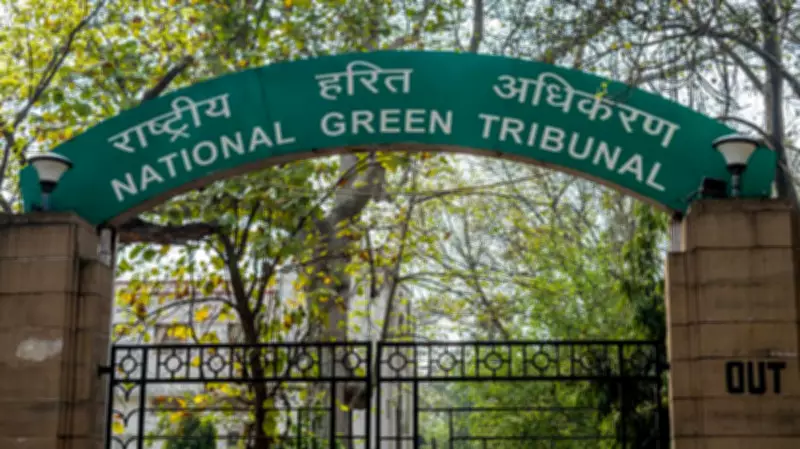
The National Green Tribunal (NGT) has constituted a committee to examine and address the issue of groundwater overexploitation in the country. The move comes in response to a petition highlighting the alarming depletion of groundwater resources, which poses a serious threat to environmental sustainability and public health.
Committee's Mandate
The committee will be responsible for assessing the current status of groundwater extraction, identifying regions facing acute water stress, and recommending measures to regulate and manage groundwater usage effectively. It will also evaluate the implementation of existing laws and suggest improvements to curb illegal extraction.
Key Objectives
- Review groundwater extraction data and trends across states.
- Identify areas with critical or overexploited groundwater levels.
- Propose regulatory frameworks for sustainable groundwater management.
- Coordinate with state authorities and central agencies for enforcement.
Background
Groundwater overexploitation has been a growing concern in India, with several regions witnessing a sharp decline in water tables. Unregulated extraction for agriculture, industry, and domestic use has exacerbated the crisis, leading to water scarcity and quality degradation. The NGT's intervention aims to balance developmental needs with environmental conservation.

Expected Impact
The committee's recommendations are expected to strengthen groundwater governance, promote rainwater harvesting, and encourage the adoption of efficient irrigation techniques. The tribunal has directed the committee to submit its report within three months, after which further action will be taken based on the findings.
This proactive step by the NGT underscores the urgent need for collective action to preserve India's groundwater resources for future generations.