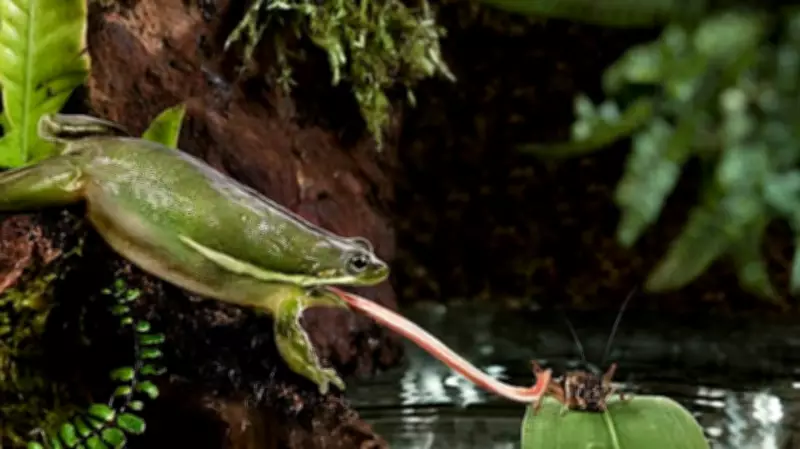
New Night Frog Species Discovered in Western Ghats, Named 'Kali'
In a significant scientific breakthrough, researchers have identified a new species of night frog that is endemic to the Western Ghats, a biodiversity hotspot in India. The frog has been officially named Kali, a moniker derived from the Kali River, which flows through the region where it was found. This discovery underscores the immense ecological wealth of the Western Ghats and brings attention to the ongoing efforts to document and protect its unique fauna.
Details of the Discovery
The newly discovered night frog belongs to the genus Nyctibatrachus, a group known for their nocturnal habits and distinctive calls. It was located in the dense, moist forests of the Western Ghats, an area renowned for its high levels of endemism. Key characteristics of the Kali frog include:
- Size and Appearance: The frog is relatively small, with a body length of approximately 2-3 centimeters, and features a mottled brown coloration that provides excellent camouflage in its forest habitat.
- Habitat: It inhabits the riparian zones near streams and water bodies within the Western Ghats, relying on the moist environment for breeding and survival.
- Behavior: As a night frog, it is primarily active during the evening and night, using its calls to communicate and attract mates in the dark.
The naming of the frog after the Kali River is a tribute to the local geography and aims to foster a connection between the species and its native landscape. This practice is common in taxonomy to highlight the ecological and cultural significance of discovery sites.

Importance of the Finding
This discovery is not just an addition to the list of known species; it has broader implications for biodiversity conservation and scientific research. The Western Ghats are already recognized as a UNESCO World Heritage Site due to their exceptional biological diversity, and each new species discovery reinforces the need for robust protection measures. The Kali frog's identification contributes to our understanding of amphibian evolution and distribution in this region.
Moreover, the finding highlights the critical role of field research and taxonomic studies in uncovering hidden biodiversity. Many amphibian species in the Western Ghats are threatened by habitat loss, climate change, and pollution, making such discoveries urgent calls for conservation action. Scientists emphasize that preserving the habitats of endemic species like the Kali frog is essential for maintaining ecological balance and preventing extinctions.
Conservation Challenges and Future Steps
Despite the excitement surrounding this discovery, the Kali frog faces significant threats from human activities and environmental changes. Deforestation, agricultural expansion, and infrastructure development in the Western Ghats pose risks to its fragile habitat. Conservationists advocate for:
- Protected Areas: Strengthening and expanding protected zones within the Western Ghats to safeguard critical habitats.
- Research Initiatives: Increasing funding and support for ongoing biodiversity surveys and monitoring programs.
- Community Engagement: Involving local communities in conservation efforts through education and sustainable practices.
Looking ahead, researchers plan to conduct further studies on the Kali frog's ecology, behavior, and population dynamics. This will help assess its conservation status and inform management strategies. The discovery serves as a reminder of the Western Ghats' status as a global biodiversity treasure and the ongoing need to explore and protect its natural wonders.