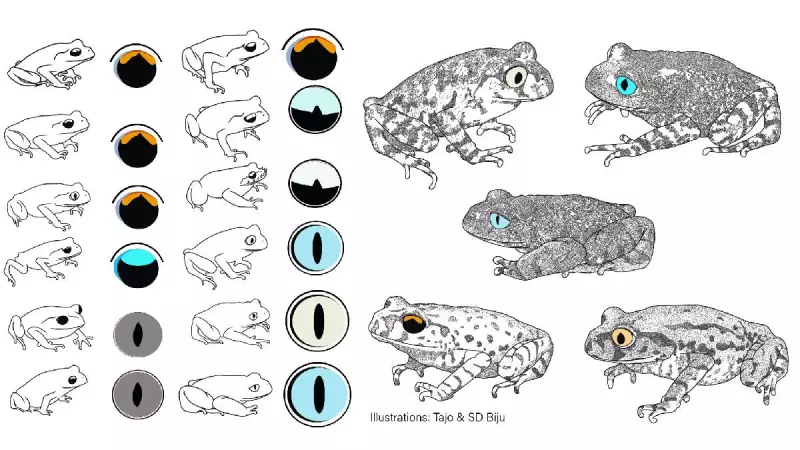
In a significant discovery for India's biodiversity, researchers have identified a brand new species of frog in the pristine forests of Arunachal Pradesh. The amphibian has been named in honor of senior Malayali journalist E. Somanath, recognizing his long-standing contributions to environmental reporting.
A Unique Discovery in the Eastern Himalayas
The finding was made by a dedicated team of scientists from the University of Delhi and the Wildlife Institute of India. Their research, which has been published in the international journal Zootaxa, details the characteristics of this novel amphibian. The frog was found specifically within the Namdapha Tiger Reserve, a biodiversity hotspot in the Changlang district of Arunachal Pradesh.
This region, part of the Eastern Himalayas, is renowned for its rich and often unexplored wildlife. The discovery underscores the critical importance of preserving such ecosystems, as they continue to reveal hidden biological treasures. The team encountered the frog during a herpetological survey, meticulously documenting its unique features that set it apart from all known species.

Honoring a Legacy of Environmental Journalism
The newly discovered frog now bears the scientific name Leptobrachella somanathi. This decision to name the species after E. Somanath is a tribute to his impactful career. Somanath, a veteran journalist associated with the Malayalam daily Deshabhimani, has spent decades highlighting environmental issues, conservation challenges, and the intricate relationship between communities and nature in Kerala and beyond.
By naming the species after him, the scientific community bridges the gap between research and public awareness, acknowledging the vital role journalists play in communicating science. The official publication date of the research paper was January 11, 2026, marking the formal entry of Leptobrachella somanathi into the global scientific record.
Characteristics and Conservation Significance
The Leptobrachella somanathi is described as a small-sized frog within the genus Leptobrachella. Members of this genus are commonly known as dwarf litter frogs or leaf-litter frogs, typically found in forest floor habitats. Key identifying features of the new species include its distinctive body morphology, skin texture, and unique vocal patterns, which differ from its closest relatives.
This discovery is not just about adding a new name to a list. It has profound implications:
- Biodiversity Inventory: It highlights Arunachal Pradesh, and particularly Namdapha, as a region harboring yet-to-be-discovered species, emphasizing the need for continued biological surveys.
- Conservation Imperative: Every new endemic species discovery strengthens the argument for protecting its habitat from threats like deforestation, climate change, and infrastructure development.
- Scientific Inspiration: It demonstrates that systematic exploration of India's landscapes can still yield significant zoological findings, encouraging future research.
The researchers have emphasized that the frog likely has a very restricted range, making it and its habitat ecologically sensitive. Its survival is intrinsically linked to the health of the Namdapha forest ecosystem. This discovery serves as a powerful reminder of the hidden biological wealth within India's northeastern states and the continuous, often unsung, work of both scientists and journalists who help us understand and protect it.