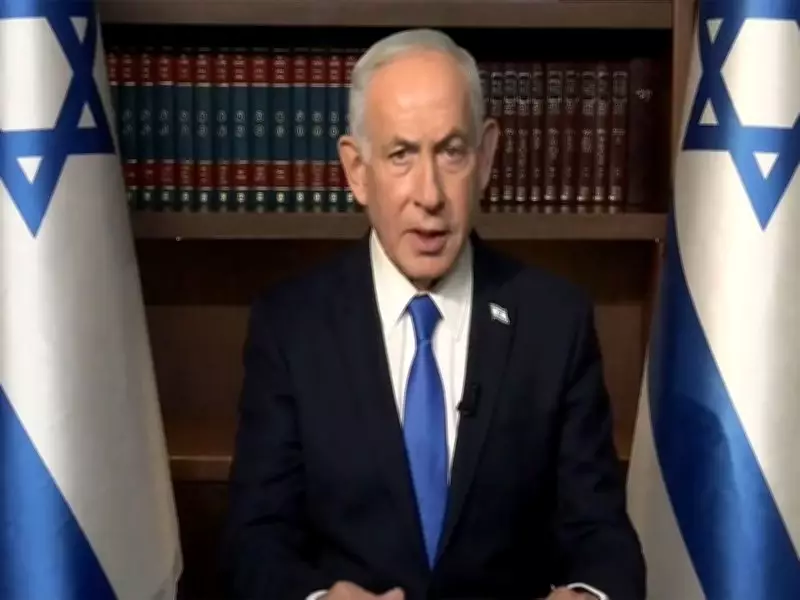
Israeli Prime Minister Benjamin Netanyahu Extends Holiday Greetings to Iran Amid Heightened Regional Tensions
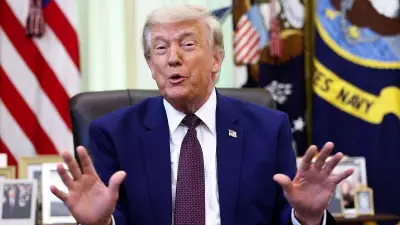
In a significant diplomatic gesture, Israeli Prime Minister Benjamin Netanyahu on Monday extended warm holiday greetings to the people of Iran, invoking themes of hope and resilience during a period of escalating geopolitical uncertainty in the Middle East. The message was delivered via a video shared on social media platform X, where Netanyahu emphasized the symbolic importance of light overcoming darkness.
Netanyahu's Message of Hope and Symbolism
Addressing the Iranian populace directly, Netanyahu stated, "To the brave people of Iran, I wish you, as I do every year, a happy holiday season, beginning with the Festival of Lights. It signifies the age-old belief of the Iranian people that light will triumph over darkness, that good will triumph over evil." This annual communication comes against a backdrop of ongoing conflicts and diplomatic strains, highlighting Netanyahu's attempt to foster a sense of shared humanity despite political divisions.
The timing of this message is particularly notable, as it coincides with increased military activities and security concerns across the region. Netanyahu's words reflect a broader narrative of perseverance and moral clarity, which he often employs in his public addresses.

Regional Security Developments and International Responses
Simultaneously, other global leaders have been actively engaged in addressing the volatile security situation in the Middle East. Ursula von der Leyen, President of the European Commission, held discussions with Nechirvan Barzani, President of the Kurdistan Region, regarding the evolving dynamics in the Gulf and Middle East. Von der Leyen emphasized the Kurdistan Region's role as a stabilizing force and reaffirmed the European Union's commitment to supporting safety and progress in the area.
In a separate development, Iran's exiled crown prince, Reza Pahlavi, announced the formation of a committee dedicated to advancing transitional justice mechanisms within Iran. This initiative aims to draft frameworks for a court and a truth-finding commission, with involvement from legal experts, including Nobel laureate Shirin Ebadi. Pahlavi echoed sentiments similar to Netanyahu's, stating, "The truth will be revealed. Justice will be served. Light will triumph over darkness," underscoring a common theme of accountability and hope amid turmoil.
Iran's Diplomatic Outreach and Security Challenges
On the Iranian front, top security official Ali Larijani issued a letter urging Muslim-majority countries to reconsider their stance toward Tehran amid its conflicts with the United States and Israel. Larijani described the situation as "American-Zionist aggression" and criticized what he perceived as insufficient support from other Muslim nations. He called for reflection on the future of the Islamic world, asserting Iran's sincerity in its counsel without seeking domination.
This diplomatic move comes as several Muslim countries, including Saudi Arabia, the United Arab Emirates, Qatar, and Bahrain, have condemned Iranian strikes in the region. Iran has maintained its position, vowing to continue targeting locations it associates with U.S. bases, further complicating the security landscape.
Escalating Violence and Humanitarian Impact
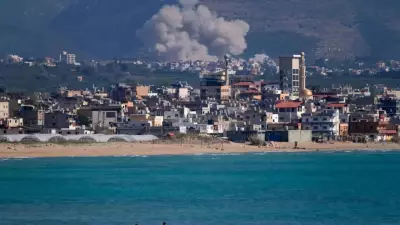
The region's instability was further highlighted by a recent attack in northern Israel, where Hezbollah launched rockets and drones, injuring four people. Emergency services reported that at least one projectile struck the coastal town of Nahariyya, causing significant damage to buildings and vehicles. Hezbollah claimed responsibility for the assault, which prompted the deployment of Israel's Home Front Command to assist affected civilians.
These incidents underscore the ongoing humanitarian toll and the urgent need for de-escalation efforts. The convergence of Netanyahu's hopeful message with such violent events paints a complex picture of a region grappling with deep-seated conflicts and the persistent quest for peace.

Broader Implications and Future Outlook
The interplay of these developments suggests a multifaceted crisis in the Middle East, where diplomatic overtures, security threats, and justice initiatives are unfolding simultaneously. Netanyahu's holiday greeting, while symbolic, may be seen as an attempt to bridge divides or as a strategic communication amid hostilities. Meanwhile, the actions of EU leaders, Iranian exiles, and security officials indicate a region in flux, with various actors seeking to shape outcomes through both words and force.
As tensions persist, the international community remains watchful, with hopes that dialogue and cooperation might eventually lead to a resolution. The repeated invocation of light triumphing over darkness by multiple figures reflects a shared, albeit contested, aspiration for a better future in a troubled part of the world.