The National Board for Wildlife (NBWL) has initiated a crucial review of the potential environmental threats posed by a proposed power project in the ecologically sensitive Sharavathi valley region of Karnataka. This move underscores the growing scrutiny over development projects in biodiverse areas.
Assessing the Full Scope of the Project
According to established environmental regulations, a complete and transparent disclosure of a project's scope is a mandatory part of the clearance process. This disclosure is not a mere formality but a fundamental requirement. It enables authorities and experts to conduct a comprehensive assessment of the project's potential impact on the surrounding ecosystem, wildlife, and local communities. The NBWL's current evaluation focuses on ensuring this principle is strictly adhered to for the Sharavathi valley project.
The Stakes in Sharavathi Valley
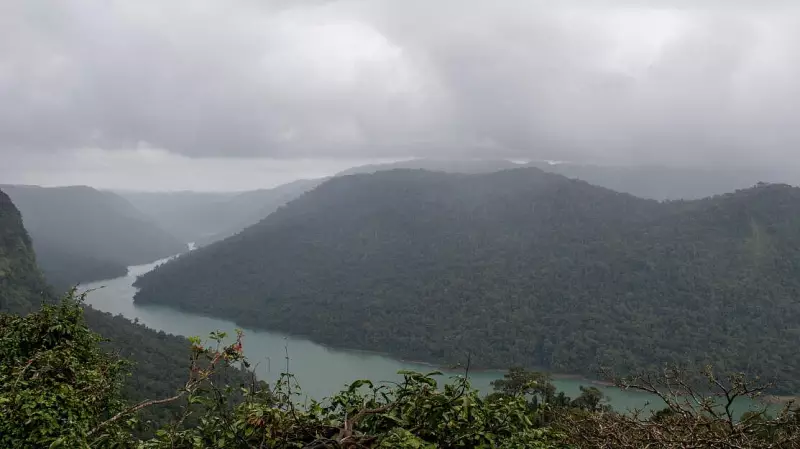
The Sharavathi valley, with its rich biodiversity and vital water resources, represents a significant ecological zone. Any large-scale infrastructure project, such as a power plant, carries the risk of altering landscapes, affecting water tables, and disrupting wildlife habitats. The NBWL's role is to weigh these potential "threats" against the purported benefits of the project. Their assessment will be pivotal in determining whether the project can proceed, and if so, under what stringent conditions to mitigate environmental damage.

Timeline and Key Details
The development came to light following reports on 29 December 2025. The involvement of the NBWL, the apex body for wildlife conservation approvals in the country, highlights the national importance of this issue. While the specific technical details of the power project are part of the ongoing review, the central question remains whether its proponents have provided all necessary information for a fair and thorough impact evaluation as per the law.
The outcome of this review will set a precedent for how similar projects in ecologically fragile zones across India are handled. It balances the demands for energy and development with the imperative of preserving India's natural heritage for future generations.