NATO's Strategic Pivot to Iran's Axis Amid Lebanon Crisis
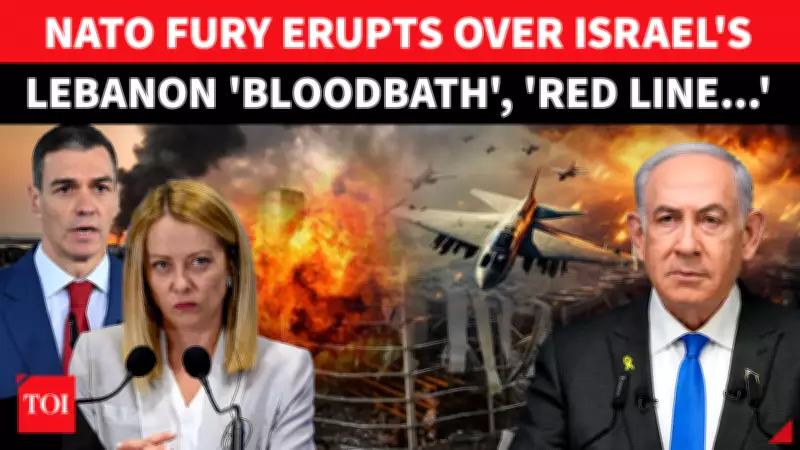
A precarious ceasefire agreement involving the United States, Iran, and Israel, which also encompassed a reported cessation of hostilities in Lebanon, is now teetering on the brink of collapse. Global powers, including key NATO member states such as Italy and Spain, are raising urgent alarms following what Tehran has described as "massacre-like" strikes conducted by Israel in Lebanon. These nations fear that the recent offensive actions threaten to dismantle the hard-won truce achieved after months of devastating warfare that engulfed the West Asian region.
Escalating Violence and Human Toll
The fresh wave of attacks has reportedly resulted in the deaths of hundreds of individuals, marking a significant escalation in the conflict. Among the casualties is the nephew of Naim Qassem, the head of the Iran-backed militant group Hezbollah, who was killed in an overnight air strike on Beirut. The Israeli Defence Forces have claimed responsibility for this targeted operation, further intensifying regional tensions.
This development underscores a critical juncture in international diplomacy, as NATO's apparent shift in focus toward Iran's axis signals a potential realignment in global security strategies. The alliance's condemnation of Israel's tactics, notably referred to as "carpet bombing," highlights growing concerns over humanitarian impacts and the stability of ceasefire agreements.

Broader Implications for Regional Stability
The situation in Lebanon has become a flashpoint, with the attacks not only jeopardizing the fragile peace but also risking a broader regional conflagration. Analysts warn that the involvement of NATO nations in criticizing Israel could strain traditional alliances and complicate efforts to mediate the conflict. The reported killings, including that of a high-profile Hezbollah relative, may provoke retaliatory measures from Iran and its proxies, potentially drawing other actors into the fray.
As global powers monitor the unfolding crisis, the need for diplomatic engagement and de-escalation has never been more pressing. The international community faces the challenge of balancing support for allies with calls for restraint to prevent a full-scale resurgence of violence in West Asia.