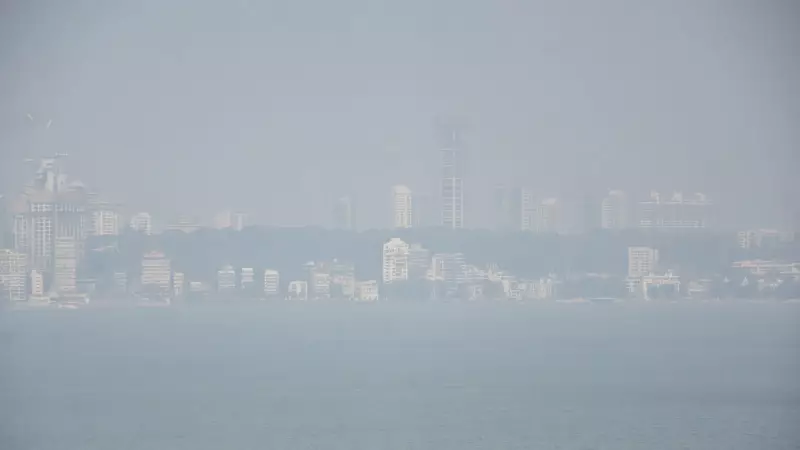
Mumbai residents are on a meteorological rollercoaster, experiencing a sharp spike in temperatures just days after enduring the season's most intense chill. The city's weather has swung from a record-breaking cold to unseasonable warmth within a single week, highlighting a volatile winter pattern.
From Record Chill to Unseasonable Warmth
The dramatic shift began on November 30, when Mumbai woke up to its coldest day of the month in over a decade. The minimum temperature plummeted to a low of 15.7 degrees Celsius, marking the chilliest day since at least 2012. This significant dip provided a stark, wintry feel to the coastal metropolis.
However, the cold spell was short-lived. Over the past week, both day and night temperatures have climbed substantially. On the morning of Saturday, December 7, the Santacruz observatory recorded a minimum temperature of 22.9 degrees Celsius. This reading is nearly three degrees above the normal average for this time of year. Meanwhile, the Colaba weather station logged an even higher minimum of 23.4 degrees Celsius.

Current Conditions and IMD's Forecast
The warmth was not confined to the night. During the day, maximum temperatures crossed the 32-degree Celsius mark in both the suburbs and the island city. The Colaba station specifically recorded a high of 32.5 degrees Celsius, contributing to a noticeable rise in humidity and discomfort.
In a welcome prediction for those missing the cooler weather, the India Meteorological Department (IMD) has forecast another change. The weather bureau anticipates temperatures will begin to drop again starting Monday, December 8. This cooling trend is expected to intensify, with the mercury potentially falling by nearly five degrees. The IMD's five-day forecast bulletin indicates that minimum temperatures could dip to lows of around 16 degrees Celsius by Thursday, December 12.
What's Driving the Temperature Swings?
Meteorologists explain these fluctuations as a result of shifting wind patterns. The earlier dip in temperatures during December is attributed to the influx of cold northerly and north-easterly winds from the mainland. The recent warming is likely due to a temporary weakening or change in this wind flow, allowing the city's inherent coastal warmth to reassert itself. The forecasted drop next week suggests a resurgence of these cooler continental winds.
This pattern of sharp rises and falls, while notable, is not entirely uncommon during the transitional winter months. However, the magnitude of the swing—from a decade's low to several degrees above normal within days—has captured the attention of both citizens and weather experts, serving as a reminder of the dynamic climate influences on India's western coast.