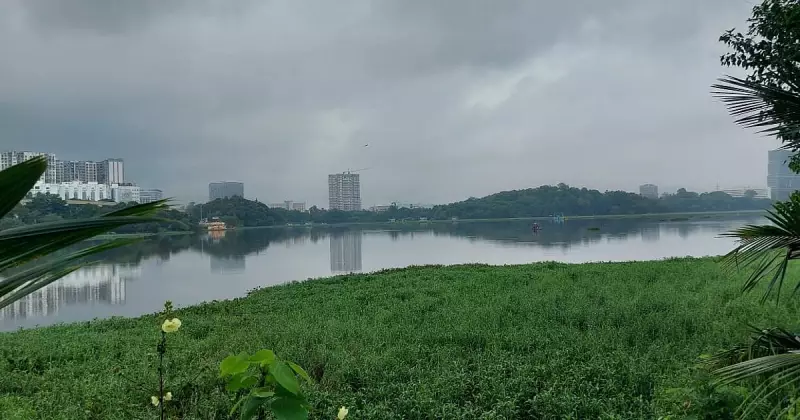
Mumbai's iconic Powai Lake is grappling with a severe ecological threat that extends far beyond the commonly known water hyacinth problem. A multi-species invasion of aggressive aquatic weeds is now choking the vital water body, prompting urgent scientific intervention.
A Wetland of National Significance Under Siege
The lake, situated adjacent to the prestigious Indian Institute of Technology-Bombay (IIT-B), holds immense environmental importance. Powai Lake is officially recognized as one of Mumbai's major wetlands in the National Wetland Atlas, a critical document published by the Union Ministry of Environment, Forest and Climate Change. This designation underscores its role in urban biodiversity and water system management.
The Expanding Green Menace
While water hyacinth has long been a visible issue, environmentalists and local authorities have now identified several other invasive plant species rapidly colonizing the lake. These weeds form thick mats on the water's surface, blocking sunlight and depleting oxygen levels. This process, known as eutrophication, disrupts the entire aquatic ecosystem, threatening fish populations and other native life forms.

The unchecked growth also hampers the lake's water holding capacity, increases siltation, and creates a breeding ground for mosquitoes, posing public health risks. The visual and olfactory nuisance further degrades the recreational and aesthetic value of this urban landmark.
Science to the Rescue: ICAR Offers Expertise
In response to this escalating crisis, the Indian Council of Agricultural Research (ICAR) has proactively offered its scientific expertise and resources. The national body is prepared to assist in formulating a comprehensive, sustainable management plan to tackle the multi-species weed infestation.
Potential scientific solutions could include:
- Biological control methods using specific insects or pathogens that target the invasive plants.
- Mechanical removal strategies for immediate relief in critical zones.
- Long-term ecological studies to understand the root causes of the proliferation, such as nutrient runoff from surrounding areas.
- Developing a community-involved monitoring and maintenance protocol.
The involvement of a premier institution like ICAR, as reported by journalist Mrityunjay Bose on 06 January 2026, marks a crucial step towards a science-backed restoration. The challenge lies in implementing a solution that is effective against the variety of weeds while being ecologically safe for the lake's native species and overall health.
The plight of Powai Lake serves as a stark reminder of the pressures faced by urban wetlands across India. Its rescue mission, combining local governance with national scientific prowess, could set a vital precedent for conserving other critical ecosystems under similar threat from invasive species.