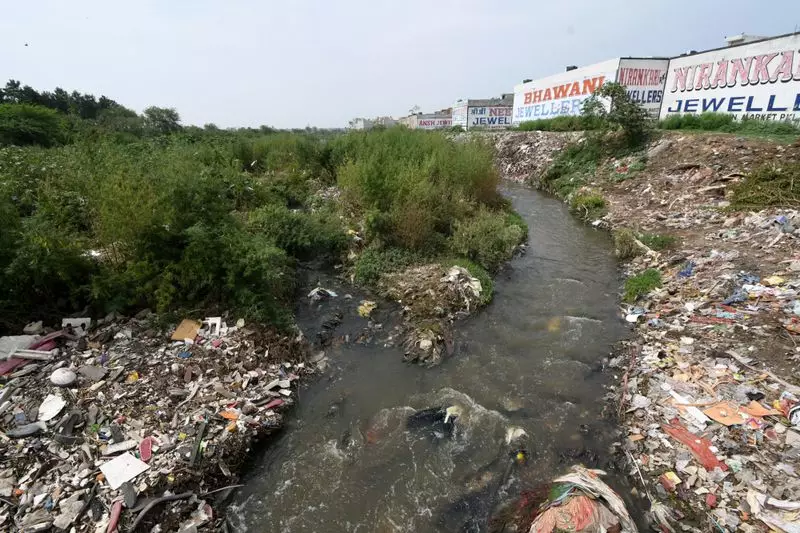
Chandigarh's Member of Parliament, Kirron Kher, has sounded a serious alarm in the Lok Sabha, highlighting a growing environmental crisis threatening the planned city's delicate ecosystem. The core issue she raised pertains to the systematic choking and degradation of Chandigarh's vital seasonal streams, locally known as 'choes'.
An Urgent Warning in Parliament
During a session on Thursday, the Bharatiya Janata Party MP brought national attention to the plight of these water bodies. She emphasized that these natural drainage channels, which are crucial for the region's hydrology, are being severely compromised. The primary culprits, as identified by Kher, are rampant construction debris and the unchecked flow of sewage into these streams. This dual assault is not only clogging the waterways but also leading to significant pollution.
Kirron Kher did not mince words, stating that the situation poses a direct threat to the city's environmental health. The encroachment and pollution are altering the natural flow and function of these choes, which are lifelines during the monsoon season and contribute to groundwater recharge.

The Domino Effect on Sukhna Lake and Beyond
The MP specifically linked the deteriorating state of these streams to the well-documented problems facing Sukhna Lake, Chandigarh's iconic water body. Sukhna Lake has been grappling with issues of excessive siltation and declining water levels for years. Kher argued that the choking of the upstream seasonal streams is a major contributing factor to this crisis. When debris and sewage block the natural feeders, it disrupts the water inflow into the lake, exacerbating silt accumulation and reducing its capacity.
This creates a domino effect on the local environment. The health of Sukhna Lake is intrinsically tied to the health of the catchment area and the streams that feed it. The degradation of these streams thus has far-reaching consequences, impacting biodiversity, local micro-climates, and the recreational value of the lake itself.
A Call for Coordinated Action and Preservation
In her address to the House, Kirron Kher underscored the need for immediate and coordinated action. She called upon the central government to intervene and assist in the restoration and protection of these critical natural assets. The MP's appeal highlights the necessity for a multi-agency approach, potentially involving the Chandigarh Administration, municipal bodies, and environmental experts.
The core of her message was a plea for sustainable urban development. She stressed that the preservation of Chandigarh's natural water systems is non-negotiable for the city's long-term water security and ecological balance. As a planned city known for its greenery and design, allowing its natural waterways to die would be a fundamental failure in urban stewardship.
The issue raises critical questions about urban planning and environmental enforcement in growing cities. It underscores the constant tension between development and conservation. The alarm raised in Parliament serves as a stark reminder that protecting natural drainage is not just an aesthetic concern but a vital infrastructure and environmental necessity to prevent flooding, ensure water sustainability, and maintain ecological health for future generations.