Moodubidire TMC Completes Scientific Documentation of All 18 Water Bodies
In a groundbreaking environmental initiative, the Moodubidire Town Municipal Council (TMC) has successfully completed comprehensive scientific documentation of all eighteen water bodies within its administrative limits. This pioneering project represents the first effort of its kind in Karnataka, establishing a crucial foundation for systematic water ecosystem conservation in the region.
Three-Year Conservation Initiative
The ambitious project commenced nearly three years ago when Rotary Club member P K Thomas conducted preliminary surveys to identify and map the lakes. Chief officer Indu M explained that the initiative was subsequently transferred to CDD India, which undertook detailed technical documentation, prepared comprehensive project reports, and formulated specific conservation recommendations.
"Moodubidire is likely the first TMC in Karnataka to comprehensively document all its water bodies," stated Chief Officer Indu M. "Based on this thorough documentation, restoration efforts will be implemented in carefully planned phases."

Restoration Projects Underway
The documentation has already yielded concrete action plans for two significant water bodies:
- Gouri Kere Restoration: A detailed restoration proposal has been submitted to the Mangaluru Urban Development Authority (Muda) with an estimated project cost of Rs 75 lakh.
- Ontikatte Kere Development: Development works at this water body are being supported through corporate partnership with SKF Elixer India Pvt Ltd.
Technical Documentation and Funding
CDD India senior programme manager Rohini Pradeep revealed that the project received funding from SBI Foundation. Under this initiative, CDD India supported three urban local bodies with populations under one lakh to develop them into model sanitation towns. During their assessment of water, sanitation, and solid waste management in Moodubidire, the CDD team received specific requests from both the TMC and Rotary Club to assist with lake conservation efforts.
"Detailed Project Reports were prepared for Basavanakaje Kere and Ontikatte Kere following extensive technical studies," explained Rohini Pradeep. "These studies included comprehensive mapping of inlets, catchment areas, biodiversity assessments, and detailed water-flow pattern analysis."
Specific Lake Restoration Plans
The scientific documentation has enabled precise restoration planning for individual water bodies:
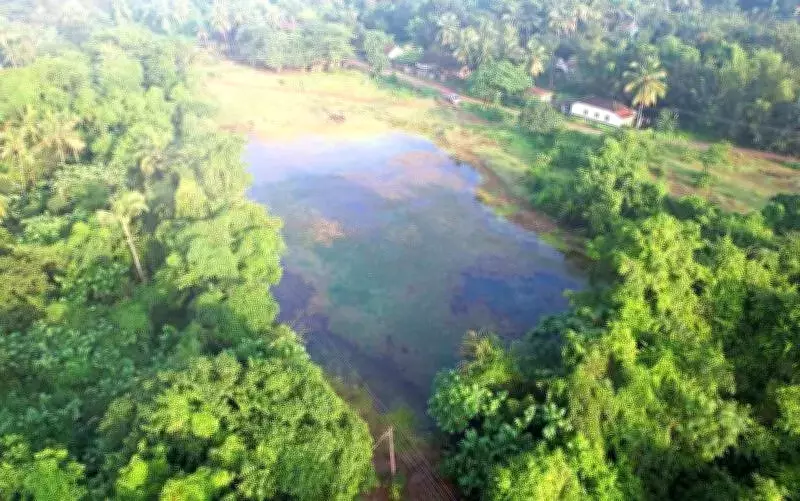
- Basavanakaje Kere: Spanning approximately six acres, this water body currently retains water in only one-third of its total area. Restoration plans propose creating three distinct zones:
- A recreation zone with public amenities
- An ecological zone with plantations to support birds and aquatic life
- A protected zone dedicated to biodiversity conservation
- Ontikatte Kere: Measuring less than one acre, this water body will be developed exclusively for water storage. Since sewage currently enters the lake, restoration plans include diverting wastewater and ensuring that only rainwater flows into the water body.
Technical Findings and Conservation Strategy
The comprehensive technical mapping of all eighteen lakes revealed several critical findings:
- Identification of disrupted natural water channels affecting multiple water bodies
- Many lakes are drying up due to disconnection from their upstream catchment areas, primarily caused by road construction and urban development
- Unlike many urban areas, Moodubidire lakes have largely avoided encroachment, as most are located near temples and basadis
"The conservation focus will prioritize restoring natural water flow, improving biodiversity, and implementing nature-based treatment methods," emphasized Rohini Pradeep. "This scientific documentation provides the essential foundation for sustainable water management in Moodubidire."

This landmark initiative establishes Moodubidire as a model for scientific water body conservation in Karnataka, demonstrating how systematic documentation can lead to actionable restoration plans that preserve urban water ecosystems for future generations.