The graceful pink silhouette of the Greater Flamingo, once a reliable winter visitor to the lakes of Telangana, has become a rare sight. A symbol of elegance and resilience, these migratory birds, along with a host of other species, have been conspicuously absent for over three years, sounding an alarm about the ecological cost of unchecked urban development and misguided 'beautification' of water bodies.
The Vanishing Act: From Hyderabad to the Districts
Historically, lakes in and around Hyderabad, such as Gandipet and Ameenpur, were popular wintering grounds for birds flying thousands of miles. As the city expanded, encroaching on these wetlands, the avian guests shifted to the shallower waterbodies in districts like Karimnagar and Nizamabad. However, this refuge has now been compromised. The extensive overhaul of lakes in the name of beautification has systematically destroyed the very ecosystems these birds depend on.
The problem is widespread. In Warangal and Hanamkonda, a staggering 38 out of 42 lakes have undergone such 'beautification,' leading to a dramatic decline in winged visitors. The impact is not limited to long-distance migrants; even local bird species are now avoiding these altered landscapes.

Expert Voices: Decoding the Ecological Disaster
Wildlife conservationists and scientists point to a clear pattern of habitat destruction. Nageshwar Rao of the Orugallu Wildlife Society states that the absence of Greater Flamingos for more than three years is a direct indicator of human impact. "The focus on beautification has ignored the natural ecosystem and biodiversity, which must be preserved," he emphasizes.
Chitra Shankar, a principal scientist at ICAR-IIRR and avid bird watcher, cites rapid urbanization and pollution as primary drivers. She adds a climatic nuance: "Also, with heavy rains this season, most lakes are at full tank level, which is not ideal for birds like Greater Flamingos that prefer shallow water."
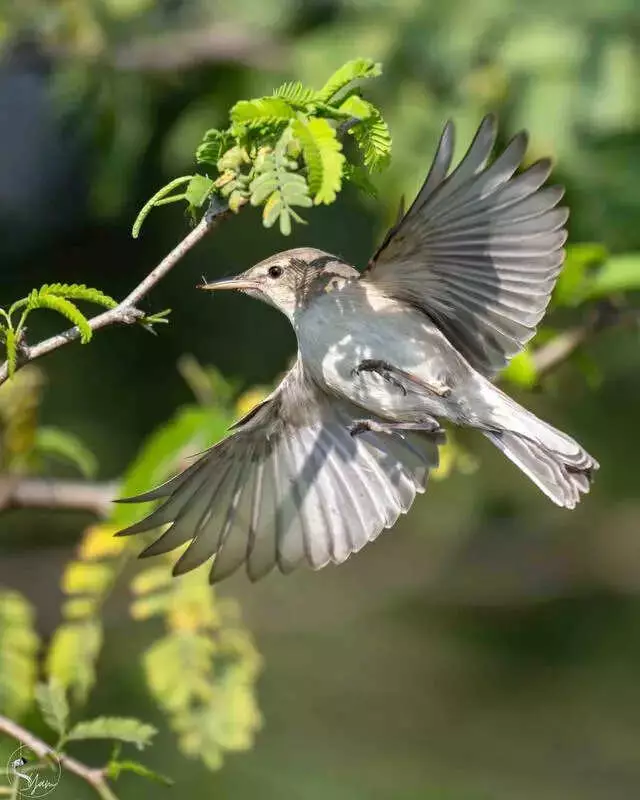
The sentiment is echoed by wildlife photographer Shyam Sunder, who laments the complete transformation. "In the name of beautification, they dried the lakes and cut all the trees. There is no vegetation left for the birds to eat. Their natural habitat is lost," he says, noting that migratory activity is now almost negligible.
A Silent Exodus and a Timely Reminder
The few remaining birds have been forced to seek out remote, undisturbed lakes in areas like Husnabad and rural Karimnagar. For the bird-watching community in Hyderabad and across Telangana, this mass exodus marks a somber start to the year.
As National Bird Day on January 5 approaches, this situation serves as a critical reminder. It underscores the urgent need to rethink lake development policies, prioritize conservation over cosmetic changes, and protect the delicate balance of biodiversity before more species are lost from the state's skies and waters.