Russia's Medvedev Drops Bombshell Allegation of Iran's Secret Nuclear Test
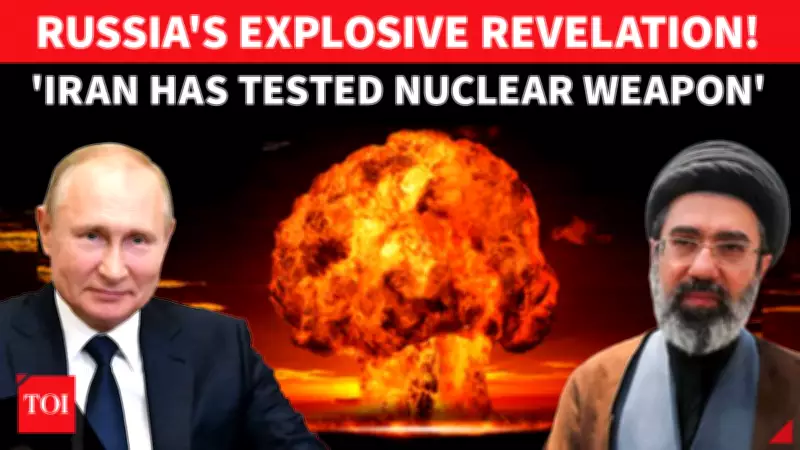
In a development that has sent shockwaves through international diplomatic circles, Russia's Deputy Chairman of the Security Council, Dmitry Medvedev, has made a startling claim regarding Iran's nuclear capabilities. The top aide to President Vladimir Putin alleged that Iran has conducted a secret test of what he described as its most powerful nuclear weapon.
Timing and Context of the Revelation
Medvedev's explosive statement came shortly after the announcement of a two-week halt in the ongoing conflict between the United States and Iran. The Russian official made the claim in a post on the social media platform X, formerly known as Twitter, without providing immediate verifiable evidence but emphasizing the gravity of the situation.
The allegation suggests a significant escalation in Iran's nuclear program, potentially violating international agreements and heightening tensions in an already volatile region. This revelation follows a period of intense military engagements and diplomatic maneuvers involving Iran, the US, Israel, and other Middle Eastern powers.

International Reactions and Broader Implications
Initial reports indicate that the United States government has been caught off guard by Medvedev's claims, with sources describing officials as being "in shock" over the potential implications. If verified, this development could drastically alter the strategic balance in the Middle East and complicate efforts to de-escalate regional conflicts.
The timing of Medvedev's disclosure is particularly noteworthy, coming amid:
- A fragile ceasefire between US and Iranian forces
- Recent missile exchanges between Iran and Israel
- Ongoing tensions in the Strait of Hormuz
- Complex diplomatic negotiations involving multiple global powers
Regional Security Concerns
This alleged nuclear test revelation occurs against a backdrop of heightened military activity across the Middle East. Recent developments include:
- Iran's missile strikes on targets in the United Arab Emirates and Qatar
- Continued hostilities between Iran and Israel with reported casualties
- North Korea's ballistic missile tests following ceasefire announcements
- Internal political challenges facing Israeli leadership
The international community now faces urgent questions about verification of these claims, potential responses from Western powers, and the future of nuclear non-proliferation efforts in the region. Diplomatic sources suggest emergency consultations are likely among UN Security Council members and regional stakeholders.
As details continue to emerge, global attention remains focused on how this allegation will impact the delicate ceasefire between the US and Iran, regional stability, and international efforts to prevent nuclear proliferation in one of the world's most volatile regions.