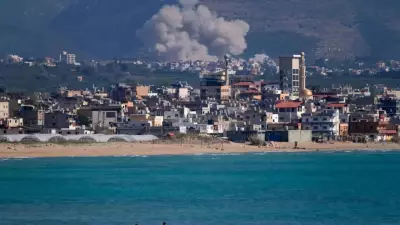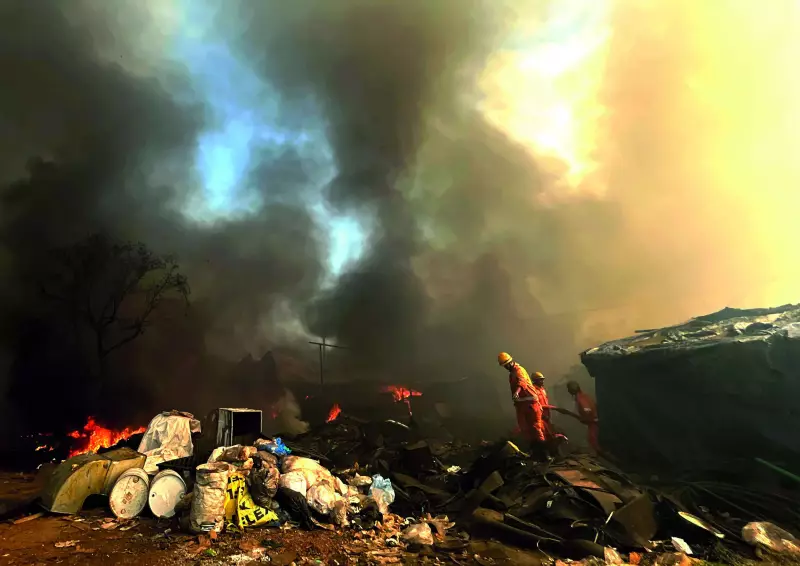
A massive fire at an illegal scrapyard operating on comunidade land in the Verna industrial estate has reignited serious concerns about the unchecked proliferation of unauthorised scrap dealing units in Goa's Bardez taluka. The incident has forced authorities and residents to confront a long-standing issue that poses significant environmental, safety, and criminal threats.
Scale of the Unauthorised Scrapyard Menace
Police sources reveal that the situation in Bardez is particularly severe. They estimate that approximately 30 unauthorised scrapyards operate within the jurisdiction of the Mapusa police station, with another 50 such units in the area covered by the Colvale police station. This brings the total to around 80 illegal operations in the region. Despite a tragic fire at a Colvale scrapyard in 2023 that claimed a worker's life and prompted the local panchayat to issue closure notices to 49 units, these businesses continue to run without hindrance.
Former Colvale sarpanch Nityanand Kandolkar stated that while six illegal yards were demolished during his tenure, new ones have emerged. He also noted that old structures have been replaced with concrete buildings, despite ongoing legal battles and past demolition drives. Locals and officials point to operations on leased comunidade land and allege sustained operation is due to the "blessings of politicians." Current Colvale sarpanch Dashrath Bicholkar confirmed that while some larger yards have been moved out of the panchayat's jurisdiction, the problem persists.

Multifaceted Threats: Environment, Safety, and Crime
The risks posed by these scrapyards are manifold. Residents are deeply worried about their proximity to the Tillari irrigation canal, a crucial water source. They fear that harmful substances and chemicals from the scrap could leach into and pollute the water supply. Beyond the environmental hazard, the sites are a constant fire risk due to the storage of combustible materials without adhering to basic safety standards.
Furthermore, these illegal yards have become nexuses for criminal activity. A police official explained that routine inspections are conducted at these locations following robberies, as they often serve as convergence points for disposing of stolen goods. This also compels police to frequently check the identities of workers at these sites.
A Call for Decisive Government Action
The combination of environmental negligence, fire safety violations, and links to criminal networks, all allegedly shielded by political patronage, has transformed these illegal scrapyards into a major liability. The recent fire in Verna acts as a stark reminder that the issue demands immediate and decisive intervention from government authorities. Continuous regulatory failure and lack of enforcement allow these dangerous enterprises to flourish, putting communities, infrastructure, and the environment at sustained risk.