Mangaluru Apartments Embrace Sustainable Waste Management Through Composting
In a significant environmental initiative, numerous apartment complexes across Mangaluru are adopting innovative waste management practices by transforming household wet waste into valuable organic compost. This sustainable approach is not only reducing the volume of waste destined for landfills but is also creating additional revenue streams for resident welfare associations while offering tangible benefits to residents.
Machine-Based Composting Gains Momentum
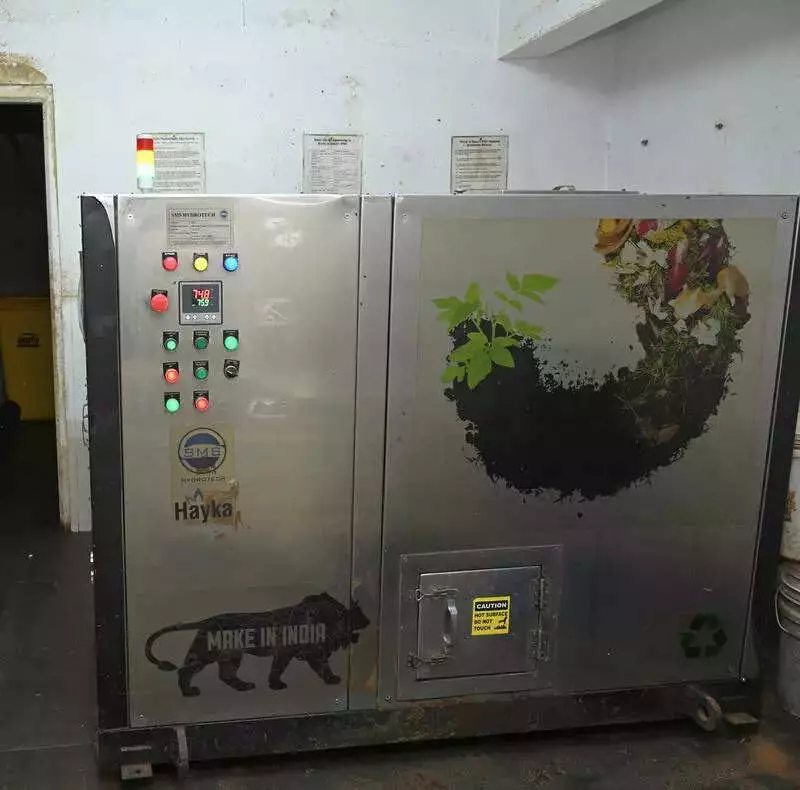
Many residential buildings are now investing in Organic Waste Composter (OWC) machines, which can efficiently process wet waste into nutrient-rich compost within a single day. The resulting compost is subsequently sold to residents and external buyers, creating a modest but meaningful income source. While this technology-based method is rapidly gaining popularity, several complexes continue to rely on traditional vermicomposting techniques, which require several weeks to complete the decomposition process.
Case Study: Canopy Apartment Complex
At Canopy, a luxury apartment complex with over 250 units located near Ashoknagar, an in-house composting unit processes approximately 180 kilograms of wet waste daily, producing nearly 60 kilograms of high-quality manure. Umesh Rao, a committee member of the Canopy Apartment Association, explained that the decision to install the OWC machine followed visits to other apartment complexes in the city that had successfully implemented similar systems.

The new composting technology was adopted in July 2024, replacing an earlier black soldier fly composting model that residents found challenging to manage due to operational difficulties. Rao emphasized that the current system converts all wet waste generated within the complex into premium compost within 24 hours. The compost is sold at Rs 3 per kilogram, despite production costs ranging between Rs 8 and Rs 9 per kilogram. He noted that the machine requires significant electricity consumption and dedicated manpower for optimal operation.
Shavina Soans, the general secretary, highlighted that this initiative extends beyond basic waste segregation at source. The composting program has also resulted in a 50% discount on waste collection taxes for each resident. Laboratory testing confirmed that the compost contains all necessary nutrients, validating its quality and effectiveness for agricultural and gardening purposes.
Pioneering Efforts at Planet SKS
Planet SKS, another luxury apartment complex with approximately 171 flats, has been utilizing the same composting technology for the past four years. Omayya Poojary, the apartment manager, reported that the complex generates between 70 and 80 kilograms of wet waste daily, with about half converted into compost. The compost is sold at Rs 1 per kilogram, making it accessible to residents and local buyers.
Poojary noted that Planet SKS was among the first apartment complexes in Mangaluru to adopt this technology, inspiring many others to follow suit. He cited multiple benefits, including reduced odor and pest problems, faster processing times, and superior compost quality compared to traditional methods.
Traditional Vermicomposting Persists
In contrast to machine-based systems, some apartment complexes continue to employ vermicomposting techniques. Kevin Santosh Nazareth, a committee member of Fernhill Apartments in Nanthoor, explained that their 100-flat complex generates 65 to 80 kilograms of wet waste daily. Through vermicomposting, they produce approximately 1,300 kilograms of compost monthly, although the process requires several weeks to complete.
Challenges with Dry Waste Disposal
Several apartment complexes have installed incinerators to dispose of dry waste such as leaves and plant matter. However, residents reported that these units did not receive no-objection certificates from the pollution control board, complicating waste disposal efforts. As a result, such dry waste must be sent to municipal corporations for proper disposal, highlighting ongoing challenges in comprehensive waste management.

The collective efforts of Mangaluru's apartment communities demonstrate a growing commitment to environmental sustainability, showcasing how urban residential complexes can contribute significantly to waste reduction and resource recovery through innovative composting solutions.