Massive Waste Generation at Bengaluru's Lalbagh Republic Day Flower Show
The Republic Day flower show held at Lalbagh Botanical Garden in Bengaluru witnessed an overwhelming response, attracting a staggering 8.1 lakh visitors over its 12-day duration. This massive footfall, however, came with a significant environmental challenge, as the event generated a total of 47 metric tonnes of waste. The sheer volume of rubbish highlighted the pressing need for robust waste management strategies during large-scale public gatherings in the city.
Coordinated Efforts for Effective Waste Management
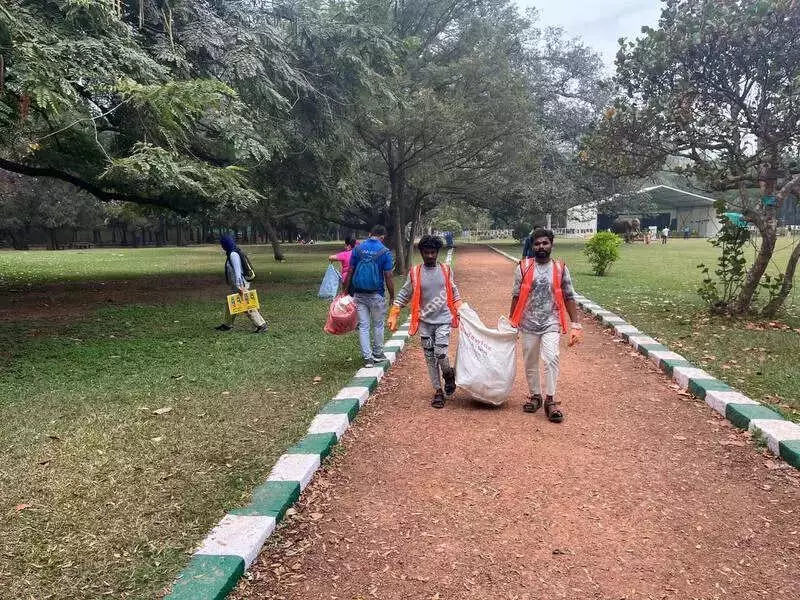
A dedicated team of volunteers, spearheaded by the non-governmental organization Saahas, collaborated closely with the department of horticulture to implement a comprehensive waste management plan throughout the event. According to Smita Kulkarni of Saahas, the teams were actively involved in monitoring rubbish levels in bins placed across the venue. They coordinated seamlessly with waste collection vehicles to ensure regular and timely clearance, preventing overflow and maintaining cleanliness in the gardens.
Visitor Education and Proactive Cleanup Initiatives
In addition to logistical coordination, the volunteers played a crucial role in educating visitors about the importance of avoiding littering. They engaged with attendees to promote responsible waste disposal practices, aiming to foster a culture of environmental consciousness. Furthermore, the teams adopted innovative methods such as plogging—combining jogging with picking up litter—within Lalbagh to proactively clean up scattered waste. This hands-on approach helped in maintaining the aesthetic appeal of the botanical garden despite the high visitor influx.

Resource Deployment for Sustained Cleanliness
To support these efforts, a substantial deployment of resources was made, including 18 waste collection staff and four vehicles dedicated solely to waste management operations. This ensured that the gardens remained clean and hygienic throughout the event, mitigating potential health and environmental hazards. The successful management of 47 metric tonnes of waste underscores the effectiveness of collaborative initiatives between NGOs, government departments, and volunteers in addressing urban waste challenges in Bengaluru.