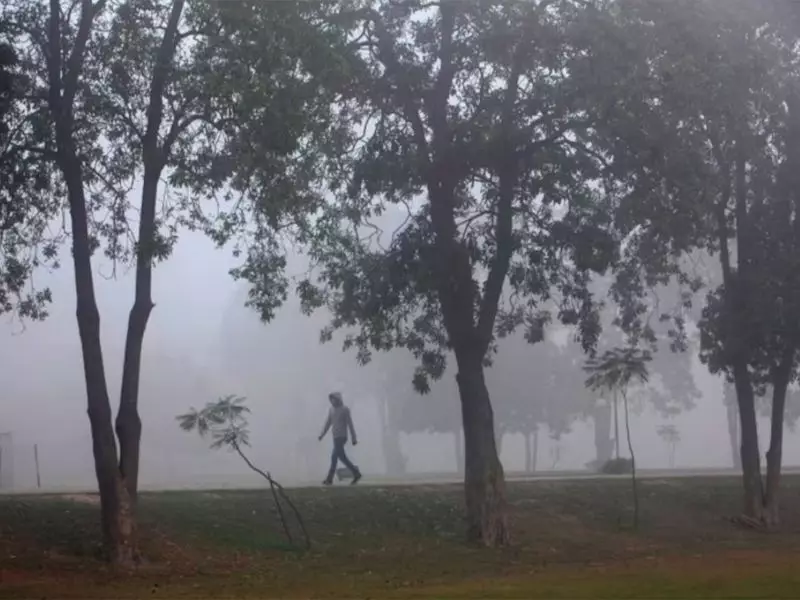
Lahore, the cultural heart of Pakistan, is gasping for breath as it secured the dubious distinction of being the world's second most polluted city on Wednesday. The city's air quality index skyrocketed to a alarming 189, categorizing it as 'very unhealthy' and posing serious health risks to its millions of residents.
The Pollution Crisis Deepens
According to recent air quality monitoring data, Lahore trailed only behind Sarajevo, Bosnia Herzegovina, which recorded an AQI of 196. The situation has become so dire that health authorities are advising vulnerable groups, including children, elderly citizens, and individuals with respiratory conditions, to limit their outdoor exposure.
What Makes Lahore's Air So Toxic?
The hazardous air quality stems from multiple factors that have created a perfect storm of pollution:

- Industrial emissions from unchecked manufacturing units
- Vehicle pollution from growing traffic congestion
- Crop burning in surrounding agricultural areas
- Construction dust from rapid urban development
- Meteorological conditions trapping pollutants close to the ground
Health Implications for Residents
Medical experts warn that prolonged exposure to such poor air quality can lead to severe health complications, including respiratory diseases, cardiovascular problems, and aggravated asthma conditions. The 'very unhealthy' classification means that everyone, not just sensitive groups, may experience health effects from breathing the contaminated air.
A Growing Environmental Emergency
Lahore's consistent appearance in global pollution rankings highlights a persistent environmental crisis that demands immediate attention. The city's struggle with air quality isn't new, but the severity has reached unprecedented levels, calling for comprehensive measures from both government authorities and community stakeholders.
As winter approaches, meteorological conditions typically worsen air quality in the region, raising concerns that the situation might deteriorate further without immediate intervention and sustainable solutions.