Kolkata Wetlands Fire Exposes Rampant Illegal Units & Safety Lapses
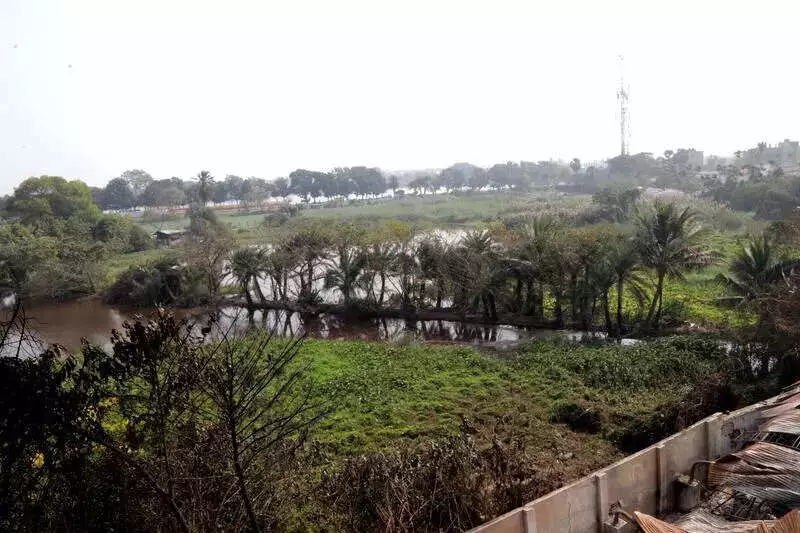
Over 66 hours after a devastating fire engulfed two godowns in the Karimpur mouza of East Kolkata Wetlands, numerous illegal units continue to operate with impunity within this ecologically sensitive Ramsar site. The incident has starkly highlighted the persistent safety hazards and regulatory failures plaguing the area.
Widespread Illegal Operations and Fire Safety Deficiencies
Despite the recent tragedy, a variety of unauthorized establishments—including auto-repair shops, plastic recycling units, and studios for television serials—remain functional. A fire officer revealed that, apart from a few branded auto workshops, most facilities lack essential fire-fighting equipment.
Critical safety measures such as smoke detectors, fire alarms, and sprinkler systems are conspicuously absent in hundreds of warehouses that have mushroomed across the East Kolkata Wetlands. This alarming deficiency significantly elevates the risk of future disasters.

Human Risk Factors and Emergency Exit Failures
One of the most serious concerns is the practice of workers staying overnight in warehouse sheds, a factor that contributed to the high casualty count in the recent inferno. Many workers, hailing from other districts and states, reside inside these sheds where they also cook, thereby increasing fire hazards.
Officials have pointed out that the absence of proper emergency exits has worsened such situations. Many warehouses do not have any exits at all, while those that do often keep them locked, opening them only when trucks arrive for loading or unloading.
Longstanding Warnings and Ineffective Enforcement
Environmental action groups, including PUBLIC, have repeatedly flagged the rampant illegal construction of warehouses, godowns, and factories at this internationally recognized Ramsar site. Their efforts date back to at least 2018, with communications directed at the environment department and the East Kolkata Wetlands Management Authority (EKWMA).
"Letters, emails, and messages from PUBLIC have been sent to various authorities, including the chief secretary and the South 24 Parganas DM, who expressed intentions to act against encroachments. However, the lack of effective action is evident from the unabated growth of illegal structures," said Pradeep Kakkar, co-founder of PUBLIC.
Kakkar noted that while encroachments were once hidden within the wetlands, they are now visibly spread along the Basanti Highway, marked by blue and white sheds.
Survey Findings and Accountability Issues
In a survey conducted three years ago, the green action group SCOPE identified approximately 620 illegal units in the wetlands. "We announced our findings, but there appears to be no concrete action. Instead, the number of illegal units has continued to grow," said SCOPE project director Dhruba Das Gupta.
Environmentalists argue that meaningful action is only taken when courts issue specific orders. Even EKWMA officials have admitted that filing over 500 FIRs has been largely ineffective. "The core issue is accountability. Someone must be held responsible for these violations, but it remains unclear who that someone is," emphasized Kakkar.
The recent fire incident underscores the urgent need for stringent enforcement of safety regulations and decisive action against illegal encroachments to protect both human lives and the ecological integrity of the East Kolkata Wetlands.