Kīlauea Volcano Erupts Again: Lava Fountains Reach 1,300 Feet in Dramatic Display
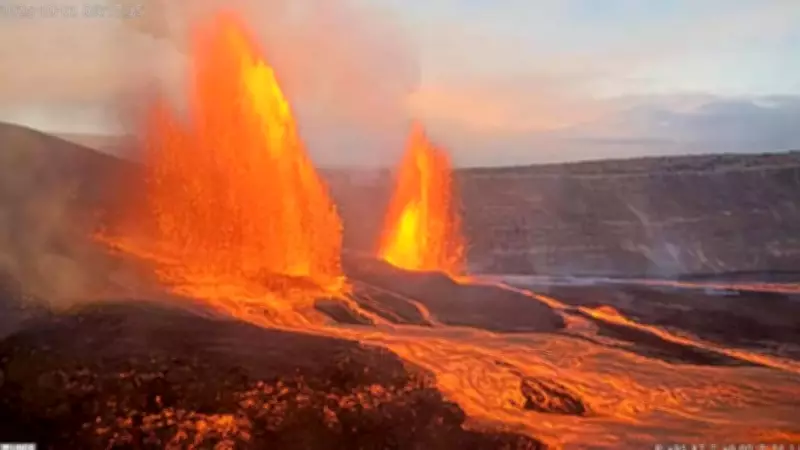
Kīlauea volcano on Hawaiʻi Island has erupted once more, unleashing a breathtaking spectacle as lava fountains soared as high as 1,300 feet into the air. This eruption, noted for its striking intensity even by the standards of a volcano that has remained active for decades, captivated onlookers and experts alike. The event, which lasted nearly 10 hours, illuminated the crater floor with bright orange lava, creating a vivid, almost otherworldly scene visible from miles away.
The 42nd Episode in an Ongoing Cycle
This eruption represents the 42nd episode in the current eruptive cycle, which began back in December 2024. According to reports, the activity is part of an ongoing, intermittent pattern characterized by pauses lasting days or even weeks, only to resume with renewed vigor. During this latest event, plumes of ash and gas climbed over 35,000 feet above sea level, with observers watching in awe as the massive column ascended into the sky.
Footage from the USGS livestream captured the dramatic scene, showcasing bright orange lava streams cascading down the crater walls and the heat shimmering in the air. For many, Kīlauea is not merely a volcano; it is a powerful and unpredictable spectacle of nature's raw force. The eruption's intensity, combined with small tremors in the area, served as a stark reminder that the volcano remains very much alive and active.

Kīlauea's Long History of Eruptive Activity
Kīlauea is no stranger to such dramatic displays. Since 1952, it has erupted dozens of times, with significant activity along the East Rift Zone from 1983 to 2018, where the Puʻu ʻŌʻō vent was a major hotspot. A lava lake within Halemaʻumaʻu crater persisted from 2008 to 2018, followed by a significant eruption in 2018 that led to a summit collapse and widespread changes in the crater structure.
Experts emphasize that events like the 2018 eruption leave lasting impacts on the volcano's morphology, influencing how it erupts in the future. The current cycle, which began in December 2024, appears episodic in nature, with some eruptions being brief and others extending close to 10 hours or more. These intermittent pauses may create an illusion of calm, but the volcano consistently demonstrates its readiness to erupt again, highlighting its inherent unpredictability.
How Kīlauea Compares to Other Volcanoes
Kīlauea is widely regarded as one of the most active volcanoes globally and the most active on Hawaiʻi Island. While Mauna Loa is larger in size, Kīlauea's frequent eruptions make it more unpredictable in terms of timing. Scientists note that much of Kīlauea's surface is relatively young, with approximately 90% of its lava flows being less than 1,100 years old. This ongoing renewal of the landscape underscores the volcano's dynamic and active nature.
Despite the inherent risks associated with volcanic activity, people remain fascinated by Kīlauea's eruptions. The spectacle of towering lava fountains, the roar of molten rock, and the rising ash columns not only captivate audiences but also provide valuable data for scientists. This information aids in understanding the volcano's behavior and improving predictions for future activity, contributing to broader research on volcanic phenomena.
In summary, the latest eruption of Kīlauea volcano serves as a powerful reminder of nature's untamed energy. With lava fountains reaching 1,300 feet and ash plumes soaring over 35,000 feet, this event reinforces Kīlauea's reputation as a formidable force in the volcanic world, continuing to shape both the physical landscape and our scientific understanding of such dynamic processes.