King Cobras Boarding Trains: Goa's Unusual Wildlife Phenomenon
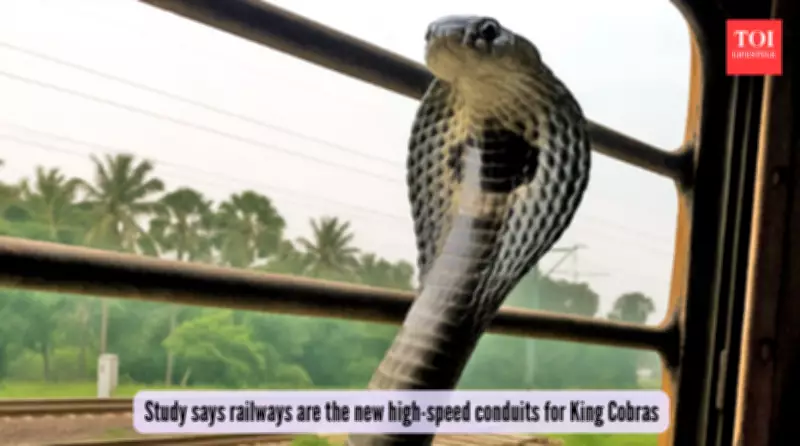
Imagine settling into your window seat on a Goa-bound train, anticipating scenic views of the coastal landscape, only to discover a majestic king cobra coiled nearby. This startling scenario is becoming increasingly common as these iconic snakes from the Western Ghats are appearing in unexpected locations across Goa's railway network.
Alarming Trend: Snakes on Trains
A comprehensive study published in the scientific journal Biotropica has documented this disturbing pattern through 22 years of rescue records from 2002 to 2024. Researchers identified 47 confirmed king cobra locations throughout Goa, with 18 in North Goa and 29 in South Goa. Most concerning were five cases occurring dangerously close to active railway lines, suggesting trains may be inadvertently transporting these reptiles across the region.
How Railways Become Accidental Wildlife Transport
King cobras, the world's longest venomous snakes, naturally inhabit moist forest environments near water sources in the Western Ghats. The dry, exposed conditions surrounding railway tracks offer neither suitable habitat nor adequate prey. Yet researchers found these snakes repeatedly appearing in railway-adjacent areas.

The study proposes several mechanisms for this unusual movement:
- Snakes may board goods trains while pursuing rodents or seeking temporary shelter
- Once aboard, they can travel significant distances before disembarking
- This creates accidental relocation to environments unsuitable for their survival
Researchers describe railways as "high-speed shortcuts" for wildlife movement, contrasting with roads that typically result in fatal collisions for animals.
Documented Incidents and Public Awareness
Several memorable rescues have captured public attention in recent years. In 2017, writer Dikansh Parmar assisted in removing a king cobra from a train, with similar incidents occurring in 2019 and 2023. Photographs and videos from these encounters have circulated widely on social media platforms.
The study notes that increased smartphone penetration and social media usage have contributed to more frequent reporting of such sightings. Interestingly, most documented locations were in village and forest areas rather than agricultural lands.
Dual Threat: Endangerment and Public Safety
This accidental relocation presents significant dangers for both wildlife and human populations. For the already vulnerable king cobra population, being deposited in unsuitable habitats reduces survival prospects and may lead to conflicts with frightened locals.
For railway passengers and workers, encountering these highly venomous snakes poses serious risks. King cobra venom contains potent neurotoxins capable of causing life-threatening symptoms without immediate medical intervention.
Conservation Implications and Future Measures
The research highlights the broader ecological consequences of expanding railway infrastructure through forested regions. As natural habitats shrink and transportation networks expand, wildlife increasingly encounters human-dominated landscapes.
Researchers emphasize the urgent need for:
- Enhanced monitoring and tracking systems along railway corridors
- Improved coordination between forest departments, railway authorities, and wildlife rescue organizations
- Public education initiatives to promote coexistence and proper response protocols
- Habitat conservation measures in areas adjacent to transportation infrastructure
This phenomenon serves as a stark reminder of the complex challenges in balancing development with wildlife conservation in India's biodiversity hotspots. As human activities continue to encroach upon natural habitats, innovative solutions become increasingly necessary to protect both ecological integrity and public safety.