North Korea's Ruling Party Re-elects Kim Jong Un as General Secretary
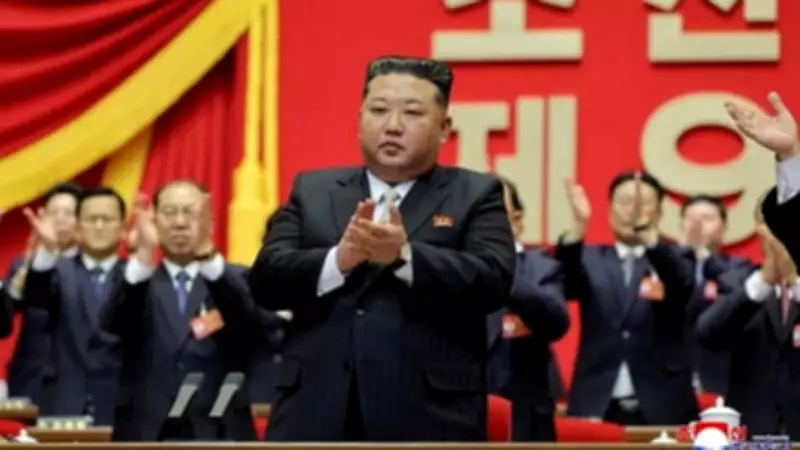
In a significant political development, North Korea's ruling Workers' Party has officially re-elected Kim Jong Un as its general secretary. This decision was made during a key party meeting, with state media highlighting his leadership in strengthening the country's nuclear power capabilities as a primary reason for his reappointment.
Party Meeting Outcomes and Structural Changes
The gathering, as reported by the Korean Central News Agency (KCNA), also involved the election of new members to the party's Central Committee. This move is seen as part of ongoing efforts to consolidate leadership and ensure continuity within the political framework of the isolated nation.
Additionally, revisions to the party rules were adopted during the session. However, KCNA did not provide specific details about the nature or scope of these changes, leaving analysts to speculate on potential shifts in internal governance or strategic priorities.

Emphasis on Nuclear Power and National Security
The re-election of Kim Jong Un underscores the regime's continued focus on military strength, particularly in the realm of nuclear technology. This move aligns with North Korea's long-standing policy of prioritizing self-reliance and deterrence against perceived external threats. The party's endorsement reflects a unified stance behind Kim's leadership in advancing these goals.
Observers note that such political reaffirmations often precede major policy announcements or diplomatic maneuvers, suggesting that North Korea may be preparing for future engagements or asserting its position on the global stage.
Context and International Implications
This development comes amid ongoing tensions in the region and international concerns over North Korea's nuclear program. The re-election reinforces Kim Jong Un's unchallenged authority within the country, potentially impacting negotiations and relations with neighboring countries and global powers.
The lack of details on the revised party rules adds an element of uncertainty, as changes could influence domestic policies, economic strategies, or military directives. As North Korea continues to navigate complex geopolitical landscapes, this political consolidation is likely to shape its approach to both internal governance and external affairs in the coming years.