

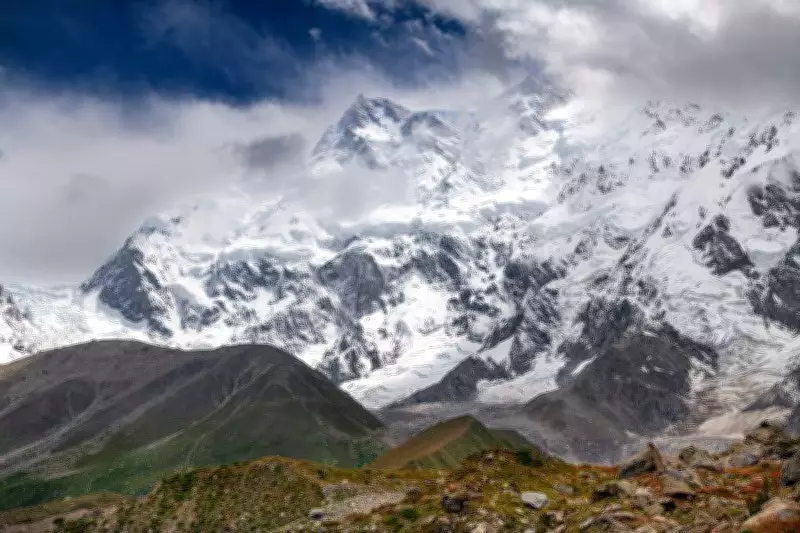
A recent study has highlighted alarming changes in the Khangri Glacier located in Arunachal Pradesh, indicating a potential flood threat to downstream areas. The research, conducted by scientists from the Wadia Institute of Himalayan Geology, reveals that the glacier is undergoing rapid transformations due to rising temperatures and changing precipitation patterns.
Key Findings of the Study
The study utilized satellite imagery and field observations to assess the glacier's dynamics over the past few decades. It found that the Khangri Glacier has been retreating at an accelerated pace, with its snout moving significantly uphill. This retreat has led to the formation of a proglacial lake, which is expanding in size and could potentially trigger a glacial lake outburst flood (GLOF).
Glacial Lake Expansion
The proglacial lake at the terminus of the Khangri Glacier has grown substantially, increasing both in area and volume. The lake is now dammed by a moraine, which is considered unstable. If the moraine fails, it could release a massive volume of water downstream, endangering settlements and infrastructure in the valleys below.

Climate Change Impact
The researchers attribute the glacier's rapid changes to the effects of climate change. Rising temperatures in the Himalayan region have accelerated melting, while changes in snowfall patterns have reduced the glacier's mass balance. The study emphasizes that such changes are not isolated to Khangri but are part of a broader trend affecting glaciers across the Himalayas.
Potential Consequences
If a GLOF occurs, it could have devastating consequences for communities living along the river systems originating from the glacier. The flood could damage roads, bridges, and agricultural land, and pose a risk to human lives. The study calls for continuous monitoring and the implementation of early warning systems to mitigate the threat.
Recommendations
- Deploying real-time monitoring equipment to track glacier and lake changes.
- Developing community-based disaster preparedness plans.
- Conducting detailed hazard mapping of potential flood zones.
- Strengthening international cooperation for climate adaptation in the Himalayas.
The study underscores the urgent need for action to address the risks posed by rapidly changing glaciers in the region. It adds to the growing body of evidence that Himalayan glaciers are highly sensitive to climate change, with potentially severe impacts on water resources and disaster risks for millions of people downstream.






