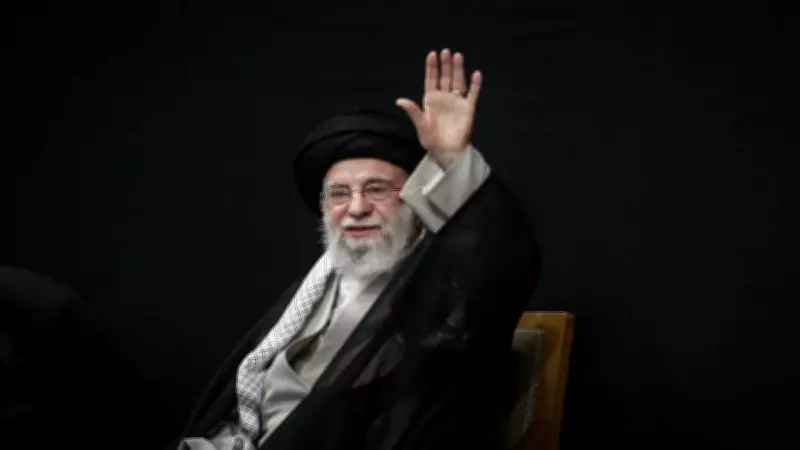
Iranian Media Confirms Ayatollah Khamenei's Final X Post as Quranic Pledge to Allah
In a significant development reported by Iranian media, Ayatollah Ali Khamenei, the Supreme Leader of Iran, made his final post on the social media platform X, which has been confirmed as a solemn Quranic pledge to Allah. This announcement comes amidst escalating tensions in the Middle East, with Israel and the United States jointly launching attacks on Iran in early 2026. The media reports highlight that this pledge, rooted in Islamic scripture, symbolizes a deep spiritual commitment made by Khamenei just before the onset of these military actions.
Details of the Quranic Pledge and Its Fulfillment
According to sources within Iran, the post on X contained verses from the Quran that are traditionally associated with vows and oaths to God, emphasizing themes of faith, resilience, and divine support. Iranian officials have stated that this pledge was a personal and public declaration by Khamenei, reflecting his unwavering dedication to Islamic principles and the nation's sovereignty. The timing of this post, just prior to the attacks, has been interpreted by analysts as a symbolic gesture of defiance and spiritual preparation for the challenges ahead.
The media confirmation underscores that this act was not merely a social media update but a profound religious statement, intended to resonate with the Iranian populace and the global Muslim community. It aligns with Khamenei's long-standing role as a religious and political leader, often using such platforms to convey messages of unity and resistance against perceived external threats.

Joint Attacks by Israel and the US on Iran in 2026
In a related development, reports indicate that Israel and the United States have coordinated a series of military strikes against Iran in March 2026. These attacks, which target key infrastructure and strategic locations, mark a significant escalation in the ongoing geopolitical conflicts in the region. The joint operation is seen as a response to Iran's nuclear ambitions and its support for militant groups, issues that have long been points of contention between these nations.
The attacks have sparked international concern, with many countries calling for restraint and diplomatic solutions to avoid further destabilization. Iranian authorities have condemned the strikes as acts of aggression, vowing to defend their territory and uphold their national interests. The situation remains fluid, with ongoing assessments of the damage and potential retaliatory measures from Iran.
Implications for Regional and Global Politics
The convergence of Khamenei's Quranic pledge and the military attacks highlights the complex interplay between religious symbolism and political action in Iran. This event could influence domestic morale and international perceptions, potentially strengthening internal solidarity while drawing criticism from adversaries. Experts suggest that such gestures may be used to galvanize support during times of crisis, reinforcing the narrative of Iran as a nation under siege but steadfast in its beliefs.
Looking ahead, the aftermath of these attacks and the fulfillment of Khamenei's pledge are likely to shape future diplomatic engagements and security dynamics in the Middle East. Key points to consider include:
- The role of social media in political and religious communication by leaders.
- The impact of joint military operations on regional alliances and conflicts.
- Potential shifts in Iran's domestic and foreign policies in response to these events.
As the situation unfolds, global observers are closely monitoring developments, with an emphasis on humanitarian concerns and the pursuit of peaceful resolutions. The confirmation of Khamenei's final X post as a Quranic pledge adds a unique dimension to this crisis, blending spiritual rhetoric with real-world geopolitical tensions.