Kerala has recently witnessed a series of devastating landslides along the ecologically fragile Western Ghats, triggering a wave of concern and introspection. Many environmental experts and activists are now stating that the state is paying a heavy price for ignoring the crucial warnings issued over a decade ago by the Madhav Gadgil Committee.
The Ghost of Warnings Past: The Gadgil Committee Report
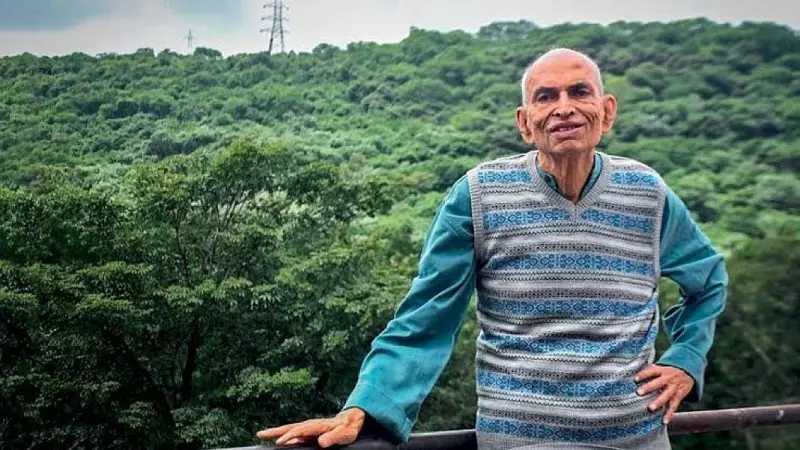
In 2011, the Western Ghats Ecology Expert Panel (WGEEP), chaired by renowned ecologist Professor Madhav Gadgil, submitted a comprehensive report. The document painted a stark picture of the environmental degradation in the Ghats and proposed stringent conservation measures. It recommended classifying the entire region into three zones with varying levels of protection and restricting destructive activities like mining, quarrying, and large-scale construction.
The committee's core warning was clear: unchecked human intervention in this sensitive mountain range would lead to severe ecological consequences, including soil erosion, loss of biodiversity, and increased vulnerability to natural disasters like landslides and floods. However, the report faced fierce opposition from various quarters, including state governments, political parties, and commercial interest groups, who argued it would hinder development. The recommendations were largely shelved.

Nature's Reckoning: The Landslides of Kerala
The recent catastrophic landslides in Kerala, particularly in its high-range areas, have brought the committee's prophecies into sharp, tragic focus. Heavy rainfall, a natural phenomenon for the region, led to unprecedented landslips, claiming lives, destroying homes, and crippling infrastructure. Environmentalists argue that the scale of the disaster was man-made, amplified by the very activities the Gadgil report sought to curb.
Illegal quarrying, deforestation for plantations, and unregulated construction on steep slopes have severely compromised the stability of the hills. These actions have stripped the land of its natural protective cover and altered drainage patterns, making it acutely susceptible to collapse during intense rain. What unfolded was not merely a natural calamity but, as some assert, a preventable tragedy.
A Protest by Nature? The Environmentalist Perspective
In the aftermath, a strong sentiment echoed among conservationists. Many firmly believe that the landslides were "a protest sponsored by vested interest lobbies"—a phrase highlighting the view that nature itself is now revolting against the exploitation enabled by these lobbies. The disaster is seen as a direct outcome of prioritizing short-term economic gains over long-term ecological security.
The state's approach of adopting a significantly diluted version of the recommendations, known as the Kasturirangan Committee report, has proven inadequate. The current crisis underscores the urgent need to revisit the original Gadgil report with seriousness. It calls for a fundamental shift in policy towards a sustainable model of development that respects the carrying capacity of the Western Ghats.
The events in Kerala serve as a grim reminder for all states sharing the Western Ghats. The time for half-measures and delays is over. The mountains have issued their warning, and the cost of ignoring it has been paid in lost lives and shattered communities. The path forward must be one of restoration, strict regulation, and heeding the scientific counsel that was offered, but not taken, years ago.