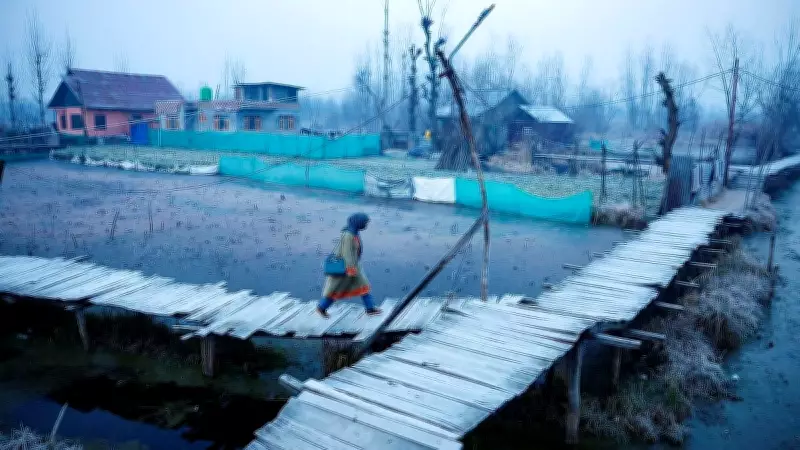
Kashmir's Silent GLOF Threat: Five Lakes Under High Risk
A recent environmental assessment has brought to light a critical and silent threat looming over the Kashmir region: five glacial lakes are now identified as being at high risk of Glacial Lake Outburst Floods, commonly known as GLOFs. This phenomenon poses a significant danger to local communities, infrastructure, and the fragile ecosystem of the area.
Understanding the Triggers of GLOFs
The triggers for a GLOF are varied and can include natural events such as cloudbursts, avalanches, landslides, or seismic activity. These events have the potential to destabilise the moraine dam that holds back the glacial lake water, leading to sudden and catastrophic breaches. When such a breach occurs, it can release massive volumes of water downstream, causing devastating floods that can wipe out villages, roads, and agricultural land in a matter of minutes.
Cloudbursts are particularly concerning in this context, as they can rapidly increase the water level in these lakes, putting additional pressure on the already fragile moraine barriers. Similarly, avalanches and landslides can directly impact the structural integrity of the dams, while seismic activity from earthquakes can trigger sudden failures without warning.

The Specific Lakes at Risk
While the exact names of the five lakes have not been disclosed in the initial reports, experts indicate that they are located in remote, high-altitude areas of Kashmir. These lakes have formed due to the retreat of glaciers, a direct consequence of climate change, which has accelerated in recent decades. The increasing temperatures are causing glaciers to melt at an unprecedented rate, leading to the expansion of these glacial lakes and heightening the risk of outbursts.
The identification of these lakes as high-risk zones is based on comprehensive studies that assess factors such as lake volume, moraine stability, and historical data on glacial activity. Authorities are now urged to implement monitoring systems and early warning mechanisms to mitigate the potential impact of a GLOF event.
Implications for Kashmir and Beyond
The threat of GLOFs in Kashmir is not just a local issue; it has broader implications for regional security and environmental sustainability. The floods resulting from a GLOF can affect water resources, disrupt livelihoods, and lead to loss of life. Moreover, the debris carried by these floods can contaminate rivers and agricultural fields, causing long-term ecological damage.
In response to this growing threat, environmentalists and policymakers are calling for increased research and investment in disaster preparedness. This includes:
- Enhanced satellite monitoring of glacial lakes
- Development of community-based early warning systems
- Construction of protective infrastructure in vulnerable areas
- Public awareness campaigns to educate residents about evacuation procedures
As climate change continues to alter landscapes globally, the situation in Kashmir serves as a stark reminder of the urgent need for proactive measures to address such environmental hazards. The silent threat of GLOFs demands immediate attention to safeguard both human lives and the natural heritage of this picturesque region.