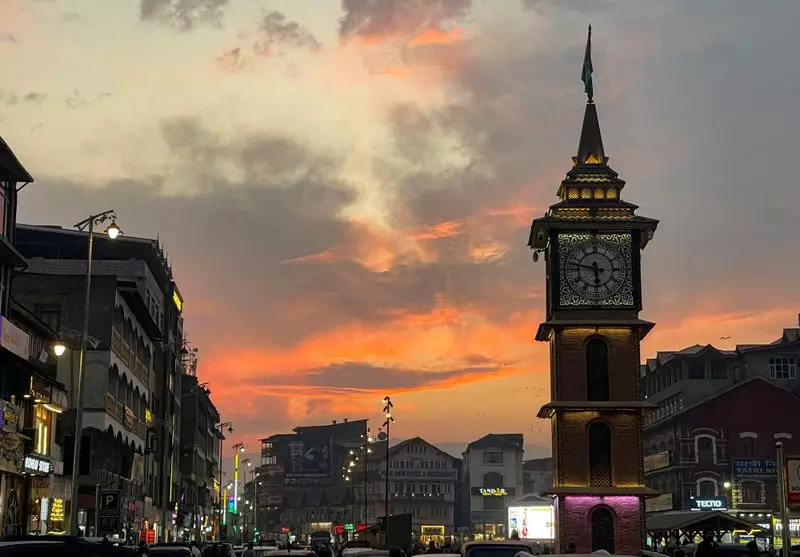
Kashmir Experiences Unusual Winter Warmth
Minimum temperatures across Kashmir have settled above the seasonal average. This weather pattern brings a noticeable warmth to the region during the winter months. Residents and meteorologists are observing this deviation from typical cold conditions.
Current Temperature Readings
Weather stations report that temperatures in various parts of Kashmir are higher than expected for this time of year. The seasonal average, which usually dictates much colder readings, is being surpassed consistently. This trend affects both day and night temperatures, with nights particularly milder than usual.
Local authorities note that the above-average temperatures could influence daily life and agriculture. Farmers might see changes in crop cycles, while tourists may experience altered winter activities. The warmth reduces the likelihood of heavy snowfall in some areas, impacting traditional winter sports and water resources.

Possible Causes and Impacts
Experts suggest several factors could contribute to this temperature rise. Climate change is often cited as a primary driver, altering weather patterns globally. Regional wind patterns and atmospheric conditions might also play a role in keeping the cold at bay.
The impacts extend beyond immediate comfort. Water supply from melting snow could be affected if snowfall decreases. Energy consumption for heating might drop, offering some relief to households. However, ecosystems adapted to cold winters could face stress from the unseasonal warmth.
Residents share mixed reactions to the warmer weather. Some enjoy the break from harsh cold, while others miss the traditional snowy landscapes. The tourism sector watches closely, as winter attractions depend on predictable cold and snow.
Looking Ahead
Meteorological departments continue to monitor the situation. Forecasts indicate that temperatures may remain above average in the coming days. Long-term trends will be analyzed to understand if this is an isolated event or part of a broader shift.
Public advisories remind people to stay updated on weather changes. Despite the warmth, sudden cold spells are still possible. Preparedness for variable conditions remains important for safety and planning.
This unusual warmth in Kashmir highlights how seasonal norms can shift, prompting discussions on adaptation and environmental stewardship. As temperatures settle above the average, the region navigates a winter unlike many before.