In a significant agricultural shift, farmers across Karnataka are increasingly turning to sweet potato cultivation, moving beyond its traditional confines. This resilient tuber is now being seen as a strategic alternative to water-intensive crops in the face of growing climate variability.
From Household Staple to Strategic Crop
Historically, sweet potato farming in the state was limited to coastal belts, hilly terrains, and forested areas. It was primarily grown for domestic consumption or sold in very localised markets. However, the agricultural landscape is changing rapidly. With increasing climate unpredictability and the high risks associated with crops that demand substantial water, farmers are actively seeking more dependable options.
This new trend is visibly taking root in the districts of Belagavi, Hassan, Mysuru, Kodagu, and Kolar. Here, the humble sweet potato is being recognised not just as food, but as a viable and robust commercial choice that can withstand climatic stresses better than many traditional staples.

Science Backs the Shift: New Varieties Lead the Way
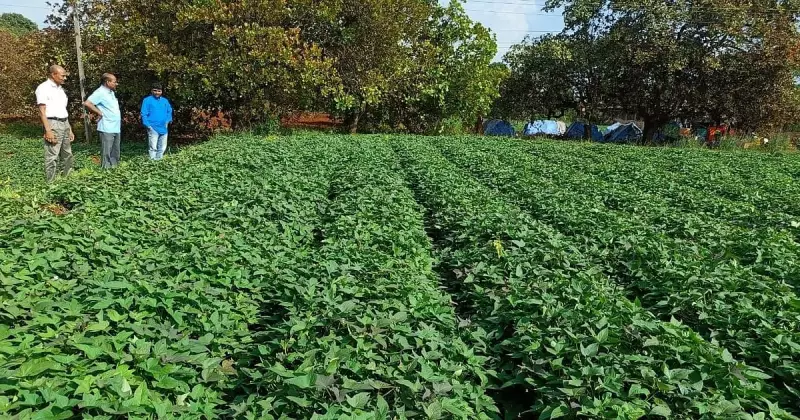
The transition is being supported and studied by agricultural research bodies. The Faculty of AICRP-Tuber Crops at the Dharwad Centre has been actively working with farmers, as seen in their collaboration with a cultivator in Khanapur taluk. Their work is crucial in promoting suitable varieties that promise better yield and resilience.
Research has introduced farmers to several promising sweet potato varieties, equipping them for this change. These include the Bhu Krishna, Bhu Sona, and TSP 16-7 varieties. Each of these cultivars offers specific advantages, from adaptability to local soil conditions to improved nutritional profiles, making them attractive for farmers looking to diversify and de-risk their operations.
A Pragmatic Response to a Changing Climate
The core driver of this shift is a pragmatic adaptation to environmental changes. As rainfall patterns become more erratic and water scarcity looms larger, the sweet potato's lower water requirement and hardiness present a compelling case. This move represents a proactive step by the farming community to safeguard their livelihoods against the tangible threats posed by climate variability.
The adoption of sweet potato cultivation in these non-traditional regions signals a broader change in farmer mindset. It underscores a move towards climate-smart agriculture, where crop selection is increasingly influenced by sustainability and risk management, alongside market potential. This story, reported on 07 January 2026, highlights a quiet but significant revolution in Karnataka's fields, one tuber at a time.