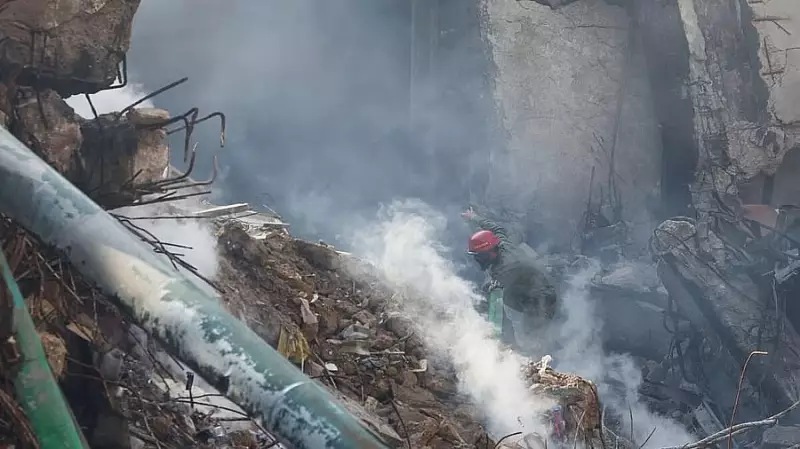
Karachi Market Inferno Claims 61 Lives in Devastating Night Blaze
A catastrophic fire that erupted in the basement of Karachi's bustling Gul Shopping Plaza has resulted in a staggering death toll of 61 people, marking one of the deadliest commercial disasters in recent Pakistani history. The tragedy unfolded on the night of January 17, 2026, in the densely populated Saddar area, sending shockwaves through the city and raising serious questions about fire safety protocols in wholesale and retail markets.
Horrific Discovery: 30 Bodies Found in Single Shop
Rescue workers made a particularly grim discovery during their operations, finding 30 bodies concentrated in just one shop within the multi-story building. This chilling detail underscores the intensity and rapid spread of the flames, which trapped numerous shopkeepers, workers, and customers inside the commercial complex. The sheer number of victims in a single location suggests many were unable to escape the fast-moving inferno, highlighting potential issues with emergency exits and evacuation procedures.
Rapid Spread in Saddar's Commercial Hub
The fire originated in the basement of the Gul Shopping Plaza, a popular wholesale and retail market known for its crowded lanes and narrow passages. Within moments, the blaze engulfed the entire structure, fueled by flammable materials typically stored in such commercial establishments. The Saddar area, being one of Karachi's oldest and busiest commercial districts, presented significant challenges for firefighting teams due to congested access routes and the building's structural layout.

Emergency services responded promptly to the distress calls, but the fire's ferocity and the building's design hampered rescue efforts. Witnesses described scenes of chaos as people tried to flee the smoke-filled corridors, with some reportedly jumping from upper floors in desperate attempts to escape the advancing flames.
Mounting Death Toll and Rescue Challenges
As rescue operations continued through the night and into the following days, the death toll steadily climbed to 61, with many victims suffering from severe burns and smoke inhalation. The discovery of 30 bodies in one shop alone represents one of the most concentrated losses of life in the tragedy, pointing to specific vulnerabilities in that section of the market.
Authorities have launched a comprehensive investigation into the cause of the fire, with initial reports suggesting electrical faults or short circuits as possible triggers. The incident has sparked urgent calls for stricter enforcement of fire safety regulations in commercial buildings across Pakistan, particularly in older markets like those in Saddar that may not meet modern safety standards.
National Mourning and Safety Reckoning
The Karachi fire has plunged Pakistan into mourning, with government officials declaring a day of national grief and promising thorough investigations. The tragedy has exposed critical gaps in urban safety infrastructure, especially in commercial zones where high foot traffic and storage of combustible materials create elevated risks.
Survivors and families of the victims are demanding accountability and immediate safety reforms to prevent similar disasters. As the city grapples with this immense loss, questions remain about building code compliance, emergency preparedness, and the adequacy of firefighting resources in Pakistan's largest metropolitan center.
This devastating incident serves as a stark reminder of the human cost when safety protocols are compromised in pursuit of commercial activity, prompting renewed scrutiny of regulatory frameworks governing marketplaces throughout South Asia.