

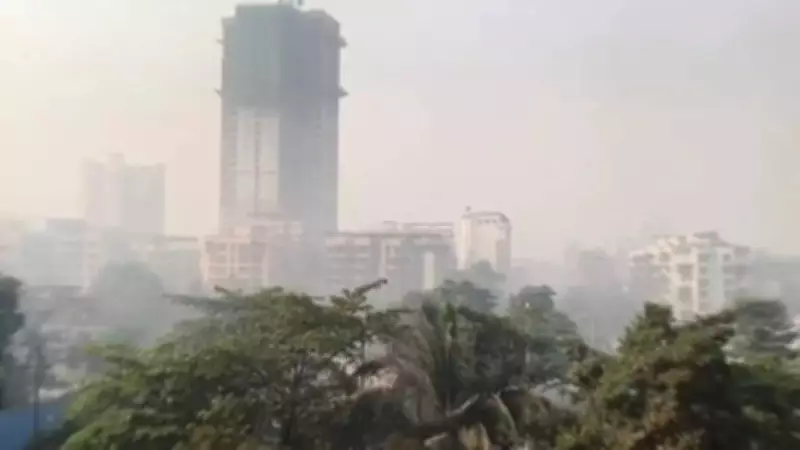
Kalyan West Engulfed in Hazardous Smoke, Air Quality Spikes to Dangerous Levels
A dense blanket of smoke descended upon several neighborhoods in Kalyan West on Wednesday morning, triggering a sudden and alarming surge in air pollution that left residents struggling to breathe. The incident caused widespread concern as the atmosphere turned hazy and visibility dropped significantly during the early hours.
Air Quality Index Briefly Reaches Hazardous 347
Preliminary reports from environmental monitoring agencies revealed that the Air Quality Index (AQI) in the affected areas skyrocketed to an extremely poor and hazardous level of 347. This spike represented a severe deterioration in air quality, categorizing the air as unhealthy for all residents and posing immediate health risks, particularly for vulnerable groups such as children, the elderly, and individuals with respiratory conditions.
Fire in Bhiwandi Identified as Primary Cause
Civic authorities from the Kalyan-Dombivli Municipal Corporation (KDMC) quickly identified the source of the smoke. Officials stated that a fire had broken out early Tuesday morning in the Bapgaon area of Bhiwandi, located beyond the Gandhari bridge. Due to prevailing wind patterns, large volumes of smoke drifted directly toward the Kalyan West region, enveloping it in a thick, polluting haze.

Rohini Lokare, Executive Engineer of KDMC’s Environment Department, provided clarification: “The temporary increase in AQI levels was directly attributable to the smoke generated by the Bapgaon fire. For a few hours, the air quality was severely impacted, but we have consistently maintained control over Kalyan’s overall air quality through proactive measures at construction sites and development projects.”
Affected Localities and Resident Concerns
The smoke impacted numerous key localities across Kalyan West, creating a visible and distressing environmental crisis. Residents in areas including:
- Gandhari
- Ring Road
- Godrej Hill
- Khadakpada
- Adharwadi
- Lal Chowki
reported significant difficulty in breathing and expressed anxiety over the unexpected pollution spike. Many described the morning as unusually hazy, with the air filled with particulate matter that caused immediate discomfort and health worries.
Pollution Levels Normalize by Afternoon
KDMC officials emphasized that the pollution incident was transient. By the afternoon, monitoring data showed that the AQI had dropped to below 100, indicating a return to moderate or satisfactory air quality levels. This rapid improvement brought considerable relief to the affected communities, although the morning’s events highlighted the vulnerability of urban air quality to external incidents.
Authorities continue to monitor the situation closely and have advised citizens to remain calm, assuring them that the spike was an isolated event caused by the fire. The KDMC reiterated its commitment to ongoing air quality management through regulatory measures at industrial and construction sites to prevent such occurrences in the future.






