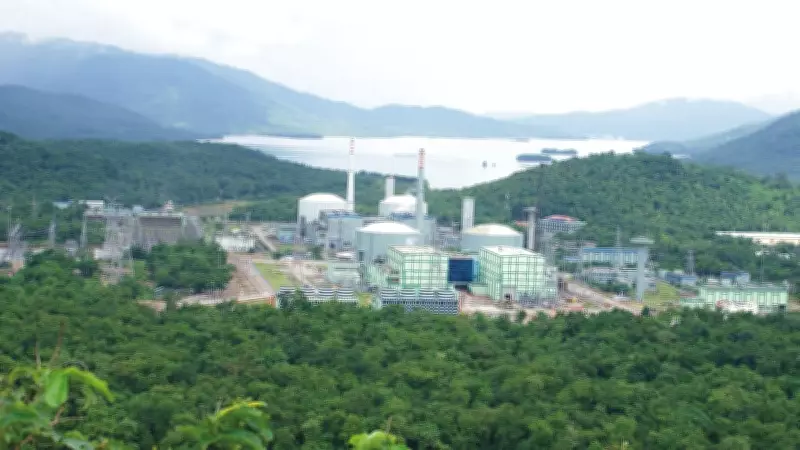
Kaiga Nuclear Project's Proposed Stone Quarry Poses Grave Threat to Kali Forest's Delicate Recovery
In a development that has alarmed environmentalists and local communities, a stone quarry proposed to support the Kaiga nuclear project threatens to severely disrupt the slow and fragile ecological recovery of the Kali forest region in Karnataka. This industrial activity, if approved, could derail years of natural healing processes in this sensitive ecosystem.
The Fragile State of Kali Forest's Ecological Restoration
The Kali forest area has been undergoing a gradual but significant recovery from past environmental stresses. This healing process represents a critical phase where the forest's biodiversity, soil stability, and hydrological systems are slowly regenerating. The introduction of a stone quarry operation would involve extensive land clearing, blasting, and heavy machinery use, all of which could:
- Destroy regenerating vegetation and disrupt soil structure
- Fragment wildlife habitats and migration corridors
- Contaminate water sources with sediment and pollutants
- Increase noise and air pollution affecting sensitive species
Environmental experts emphasize that forests in recovery phases are particularly vulnerable to new disturbances. The Kali forest's current state represents a delicate balance that could be easily tipped by industrial-scale quarrying operations.

Nuclear Project Requirements Versus Environmental Protection
The stone quarry is proposed specifically to provide construction materials for the Kaiga nuclear project, creating a complex conflict between infrastructure development needs and environmental conservation priorities. While nuclear projects require substantial construction materials, the location and timing of this quarry proposal raise serious questions about sustainable development practices.
The fundamental question emerging from this situation is whether short-term construction needs should override long-term ecological recovery in a sensitive forest region. Alternative solutions that might mitigate the environmental impact include:
- Sourcing construction materials from already degraded areas rather than recovering forests
- Implementing stringent environmental safeguards and monitoring protocols
- Exploring alternative materials or construction methods that reduce quarrying requirements
- Conducting comprehensive environmental impact assessments with public participation
Broader Implications for Conservation and Development Balance
This situation highlights the ongoing tension between India's development ambitions and environmental protection commitments. The Kali forest case serves as a microcosm of larger debates about how to balance infrastructure projects with ecological preservation, particularly in regions where ecosystems are in recovery phases.
The proposed quarry threatens not just individual trees or animals, but the entire recovery trajectory of a forest ecosystem that has been working toward restoration. The disruption could set back recovery efforts by decades and potentially create irreversible damage to soil systems, water quality, and biodiversity that have been gradually improving.
As decision-makers consider this proposal, they face the challenge of weighing immediate construction needs against the long-term health of an ecosystem that provides vital services including carbon sequestration, water regulation, and habitat for numerous species. The outcome of this decision will likely set important precedents for how similar conflicts between development and conservation are handled in the future.