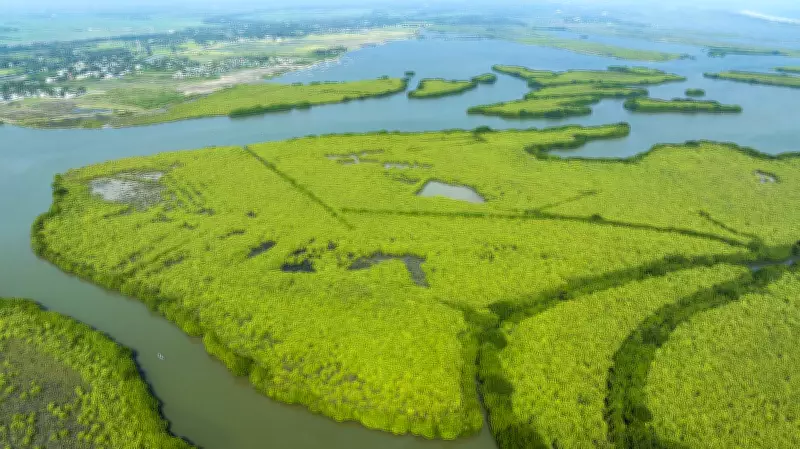
Justice Oka Demands Independent Probe into Mumbai's 45,000 Mangrove Loss
Supreme Court Justice A.S. Oka has issued a strong call for an independent review of the staggering loss of approximately 45,000 mangroves in Mumbai, Maharashtra. This demand underscores growing environmental and legal concerns over the degradation of critical coastal ecosystems in the region.
Staggering Environmental Impact
The loss of 45,000 mangroves represents a significant blow to Mumbai's natural defenses against coastal erosion, flooding, and climate change. Mangroves play a vital role in protecting shorelines, supporting biodiversity, and sequestering carbon, making their destruction a matter of urgent public interest.
Justice Oka emphasized that this massive loss highlights potential failures in environmental governance and enforcement. He pointed out that such degradation could have severe long-term consequences for Mumbai's resilience to natural disasters and its ecological balance.

Call for Independent Review
In response to this crisis, Justice Oka has formally sought an independent review to investigate the causes and accountability behind the mangrove loss. This review aims to:
- Identify the factors leading to the destruction of 45,000 mangroves.
- Assess compliance with environmental laws and regulations.
- Recommend measures to prevent future losses and restore damaged areas.
The justice stressed that an impartial assessment is crucial to ensure transparency and uphold the rule of law in environmental matters. This move aligns with broader efforts to strengthen ecological protection in India's coastal zones.
Legal and Policy Implications
This case raises important questions about the enforcement of environmental safeguards in Maharashtra. Justice Oka's intervention signals a judicial push for greater accountability among authorities responsible for mangrove conservation.
Experts note that mangrove loss in Mumbai has been linked to urban development, pollution, and illegal encroachments. The independent review could lead to stricter enforcement of existing laws, such as the Coastal Regulation Zone notifications, and prompt policy reforms to better protect these ecosystems.
Furthermore, this issue ties into national and global concerns about biodiversity loss and climate adaptation. Justice Oka's stance reinforces the judiciary's role in addressing environmental justice and ensuring sustainable development practices.
Looking Ahead
The outcome of the independent review could set a precedent for how India handles similar environmental challenges in other regions. It may also influence public awareness and civic action around mangrove conservation in urban areas like Mumbai.
As the review process unfolds, stakeholders including government agencies, environmental groups, and local communities will be closely monitoring developments. Justice Oka's call serves as a reminder of the critical need to balance development with ecological preservation for future generations.