Congress leader Jairam Ramesh has strongly criticized the environmental clearance process for the Great Nicobar Island development project, accusing authorities of making bogus afforestation claims to circumvent environmental regulations. In a series of posts on social media, Ramesh highlighted what he termed as a 'mockery of the EIA process,' pointing to discrepancies in the compensatory afforestation data submitted by the project proponents.
Allegations of Misleading Data
Ramesh, a former Union environment minister, alleged that the project's environmental impact assessment (EIA) report contained inflated figures for compensatory afforestation. He claimed that the forest land diverted for the project was being compensated by afforestation on non-forest land that was already degraded, thus not adding any net environmental benefit. 'This is a clear case of greenwashing to push through a mega project without proper scrutiny,' Ramesh said.
Details of the Project
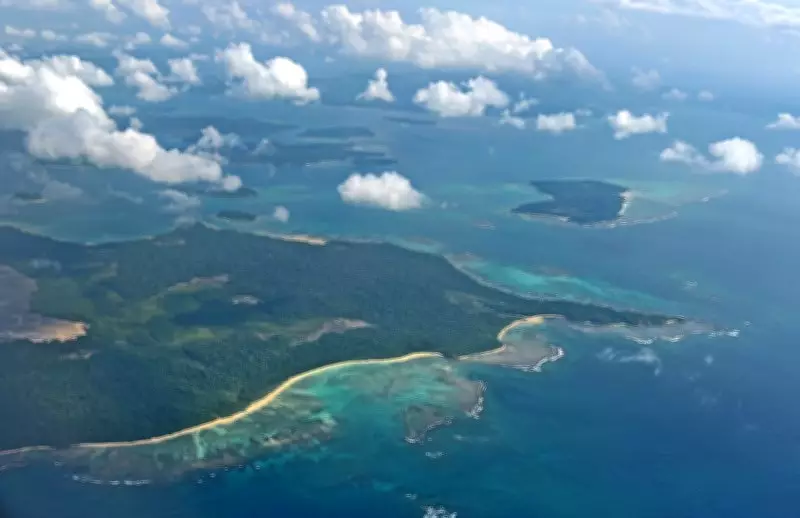
The Great Nicobar Island project, which includes a transshipment port, an international airport, and a power plant, has been a subject of controversy due to its potential impact on the island's unique biodiversity. The island is home to indigenous tribes and critical ecosystems. Environmentalists have raised concerns about the project's long-term effects on the environment and local communities.

Government's Response
The Ministry of Environment, Forest and Climate Change has defended the project, stating that all necessary clearances were obtained after a rigorous evaluation process. Officials have denied any manipulation of afforestation data, asserting that the compensatory afforestation is being carried out in accordance with the law. However, Ramesh's allegations have reignited the debate over the adequacy of environmental safeguards in large infrastructure projects.
Political Reactions
The issue has also sparked political reactions, with opposition parties demanding a thorough investigation into the claims. The Congress party has called for a parliamentary committee review of the project's clearances. Meanwhile, the ruling party has accused Ramesh of making baseless allegations to derail development initiatives in the Andaman and Nicobar Islands.
Way Forward
As the controversy unfolds, experts emphasize the need for transparency in the environmental clearance process. They argue that independent audits and public consultations are essential to ensure that development does not come at the cost of ecological destruction. The Great Nicobar project remains a litmus test for India's commitment to balancing economic growth with environmental conservation.