Iraq Elects Kurdish Politician Nizar Amidi as President Amid War Fallout
In a landmark decision, Iraq has elected Kurdish politician Nizar Amidi as its new president, a move that comes amid significant regional tensions and the lingering effects of recent conflicts. This election represents a critical juncture in Iraqi politics, with Amidi poised to guide the nation through complex challenges related to stability, security, and post-war reconstruction efforts.
Background and Election Details
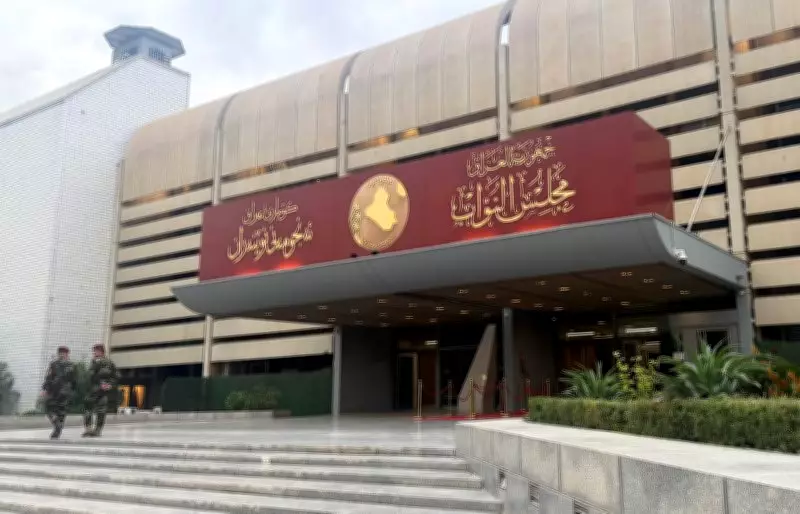
The election of Nizar Amidi follows a period of intense political maneuvering and negotiations within Iraq's parliamentary system. As a prominent Kurdish figure, Amidi's selection underscores the ongoing efforts to balance power among Iraq's diverse ethnic and sectarian groups, including Kurds, Arabs, and other minorities. The vote took place in the Iraqi parliament, where lawmakers convened to choose a successor to the previous president, amid heightened security concerns and international scrutiny.
Key factors influencing this election include:

- Regional instability stemming from conflicts in neighboring countries.
- The need for national unity in addressing economic and social issues.
- Pressure from international allies to maintain democratic processes.
Implications for Iraq and the Region
Nizar Amidi's presidency is expected to have far-reaching implications for Iraq's domestic and foreign policies. Domestically, his leadership will focus on fostering reconciliation among different factions, improving governance, and tackling corruption. Externally, Amidi will likely engage with regional powers and global partners to secure support for Iraq's recovery and to navigate geopolitical rivalries.
Challenges ahead include:
- Managing the economic fallout from war, including infrastructure damage and unemployment.
- Addressing security threats from militant groups and internal disputes.
- Promoting international cooperation to aid in reconstruction and peacebuilding.
Global Reactions and Future Outlook
The international community has closely monitored this election, with many countries expressing hope that Amidi's presidency will bring stability to Iraq. Analysts suggest that his Kurdish background could help bridge divides within the country, but also note potential obstacles, such as resistance from certain political blocs. Looking forward, Amidi's tenure will be crucial in shaping Iraq's trajectory, with a focus on democratic consolidation and sustainable development.
In summary, the election of Nizar Amidi as Iraq's president marks a significant step in the nation's political evolution, set against a backdrop of war fallout and regional complexities. His leadership will be tested as he works to unite Iraq and steer it toward a more peaceful and prosperous future.