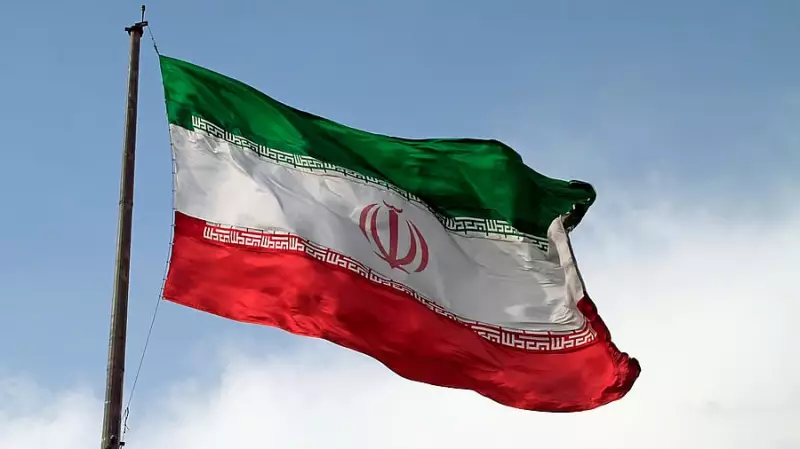
An Iran of Grace: Remembering Hospitality Amidst Modern Headlines
In today's media landscape, the mere mention of Iran often evokes images of conflict, political tensions, and historical events that dominate news cycles. However, for many who have experienced the nation firsthand, Iran brings to mind a different narrative—one of profound grace, warmth, and hospitality that stands in stark contrast to its contemporary portrayal.
A Journey Back in Time
When we think of Iran, it is easy to get caught up in the headlines that paint a picture of a nation embroiled in international disputes and internal challenges. Yet, for those who have visited or interacted with its people, memories drift back to a time of genuine kindness and welcoming spirits. The Iranian people have long been known for their generosity, often going out of their way to make guests feel at home, whether through shared meals, heartfelt conversations, or simple acts of courtesy.
Gratitude for Unforgettable Hospitality
Recalling personal experiences, many travelers and expatriates express deep gratitude for the hospitality they received in Iran. Stories abound of strangers offering shelter, families inviting outsiders into their homes for traditional feasts, and communities demonstrating unwavering support during times of need. This cultural trait of grace and compassion is a testament to the rich heritage and values that define Iranian society, often overshadowed by political narratives.

Contrasting Media Perceptions with Reality
The media's focus on Iran's geopolitical issues can obscure the everyday realities of its citizens, who continue to uphold traditions of hospitality and kindness. While news reports may highlight tensions, it is essential to remember the human element—the individuals who embody resilience and grace amidst adversity. This perspective encourages a more nuanced understanding of Iran, moving beyond stereotypes to appreciate the cultural depth and personal connections that endure.
Reflections on Cultural Legacy
Iran's history is replete with examples of artistic, literary, and philosophical contributions that emphasize harmony and respect. This legacy of grace is reflected in the way Iranians interact with others, fostering a sense of community and mutual respect. By acknowledging this aspect, we can foster greater empathy and dialogue, bridging gaps created by media simplifications.
In conclusion, as we navigate the complex portrayals of Iran in the news, let us not forget the moments of grace and hospitality that define many personal encounters with its people. These memories serve as a reminder of the shared humanity that transcends political boundaries, urging us to look beyond headlines to the heart of a nation rich in culture and compassion.