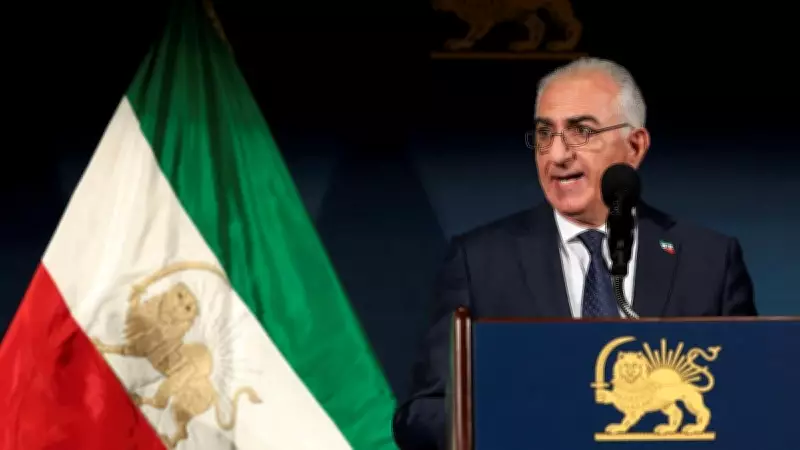
Iran's Exiled Crown Prince Reza Pahlavi Calls for Global Day of Action on February 14
In a significant development, Iran's exiled Crown Prince Reza Pahlavi has officially declared February 14 as a Global Day of Action, calling for worldwide solidarity and support. This announcement comes at a critical juncture as tensions escalate in the region, compounded by recent warnings from former U.S. President Donald Trump and the ongoing stalemate in nuclear negotiations.
Rising Tensions Amid Trump's Warning and Nuclear Talks Push
The call for action by Reza Pahlavi, who lives in exile and is a prominent figure among Iranian opposition groups, highlights the growing unrest and international concern over Iran's political landscape. His appeal urges global citizens, governments, and organizations to stand in unity on February 14, advocating for democratic reforms and human rights in Iran. This move is seen as a strategic effort to amplify voices against the current regime, especially as diplomatic efforts, such as the nuclear talks, face significant hurdles.
Former U.S. President Donald Trump's recent warnings have added to the volatile atmosphere, with his statements criticizing the Biden administration's approach to Iran and emphasizing the need for a tougher stance. These comments have reignited debates over U.S. foreign policy and its impact on Middle Eastern stability. Meanwhile, the push for nuclear talks has been met with delays and disagreements, further complicating the geopolitical scenario. International observers note that the stalled negotiations could lead to increased regional instability, making Pahlavi's call for a Global Day of Action particularly timely.

Implications for International Relations and Iranian Opposition
Reza Pahlavi's declaration is not just a symbolic gesture; it aims to mobilize global attention and pressure on the Iranian government. By setting February 14 as a focal point, he hopes to coordinate protests, awareness campaigns, and diplomatic initiatives worldwide. This could potentially influence the dynamics of the nuclear talks, as increased international scrutiny might push for more transparent and equitable discussions. Experts suggest that such actions could also bolster the morale of Iranian dissidents and opposition movements, providing them with a platform to voice their demands for change.
The timing of this announcement is crucial, as it aligns with heightened tensions in the region. Recent incidents, including military posturing and economic sanctions, have strained relations between Iran and Western powers. Pahlavi's call for a Global Day of Action serves as a reminder of the broader human rights issues at stake, beyond the nuclear debate. It underscores the interconnectedness of political freedom, security, and international diplomacy in addressing the Iranian crisis.
As February 14 approaches, the world will be watching to see how this Global Day of Action unfolds. Whether it leads to tangible outcomes in the nuclear talks or simply raises awareness, Reza Pahlavi's initiative marks a pivotal moment in the ongoing struggle for reform in Iran. With global powers like the U.S. closely monitoring the situation, the day could set a precedent for future international solidarity efforts in conflict zones.