Iran's 10-Point Ceasefire Plan Emerges as Diplomatic Centerpiece, Trump Forced to Accept Key Terms
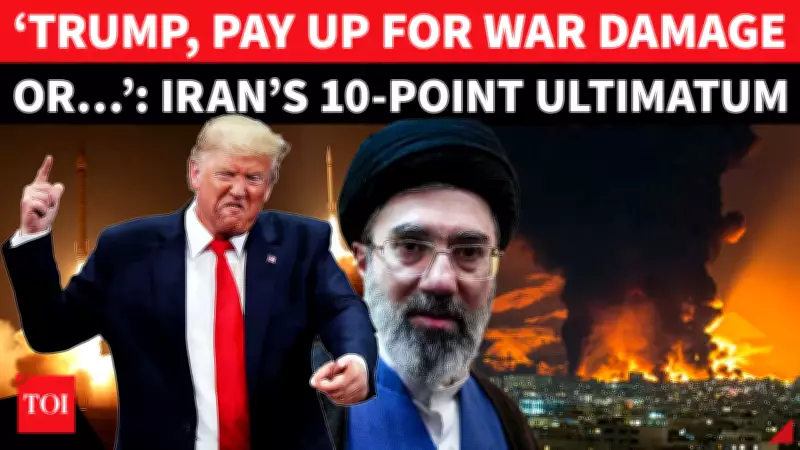
In a dramatic turn of events, Iran has unveiled a sweeping 10-point ceasefire blueprint that has become the focal point of high-stakes international diplomacy. Former US President Donald Trump has publicly acknowledged the proposal as a "workable basis" for negotiations, agreeing to a two-week pause in military strikes. This development, framed by Tehran as a significant strategic victory, signals a potential shift in the volatile dynamics of Middle East relations.
Core Demands of Iran's Proposal
The Iranian plan outlines a series of stringent conditions that the United States is now compelled to address. Central to the agreement is a binding non-aggression guarantee from the US, which would formalize a commitment to refrain from hostile actions against Iran. Additionally, the proposal insists on continued Iranian oversight of the Strait of Hormuz, a critical global oil chokepoint, ensuring Tehran's influence over maritime security in the region.
Further demands include the recognition of Iran's rights to uranium enrichment for peaceful purposes, a point of longstanding contention in nuclear negotiations. Perhaps most impactful is the call for the lifting of all primary and secondary sanctions, which have severely constrained Iran's economy and international trade. This sanctions relief is viewed as essential for Iran's economic recovery and reintegration into the global market.

Strategic Implications and Regional Reactions
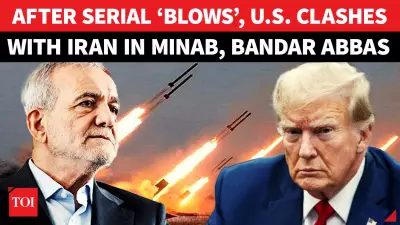
The acceptance of this plan by Trump underscores a notable concession in US foreign policy, particularly regarding the withdrawal of American troops from certain areas. This move has sparked widespread celebrations in Iran, with thousands taking to the streets to hail what they perceive as a "crushing victory" over American and Israeli interests. However, the situation remains tense, as evidenced by recent escalations, including missile strikes by Iran on targets in the UAE, Qatar, and Israel, which have resulted in casualties and infrastructure damage.
In Israel, Prime Minister Netanyahu faces domestic humiliation over the deal, with critics labeling it a "biggest disaster" for the nation. Lebanon has emerged as a new flashpoint, adding to the regional instability. Meanwhile, Iran's Supreme Leader has issued his first message to the military post-ceasefire, cautioning that "war isn't over," indicating a readiness to resume hostilities if terms are not upheld.
Broader Context and Future Outlook
This diplomatic breakthrough follows a series of provocative actions, such as North Korea's ballistic missile tests timed with Trump's ceasefire announcement, highlighting interconnected global tensions. The US has also faced internal challenges, with reports of military commanders refusing certain orders related to Iran, prompting Trump to make admissions regarding operational decisions. As reconstruction efforts are emphasized by the US presidency, the world watches closely to see if this fragile ceasefire can pave the way for lasting peace or merely serve as a temporary lull in ongoing conflicts.