Iranian Academic Condemns West Asia Conflict as 'Unnecessary War'
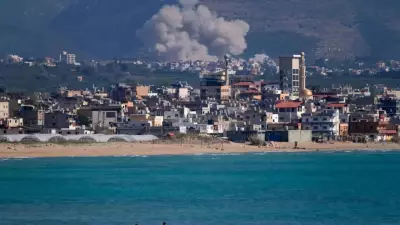
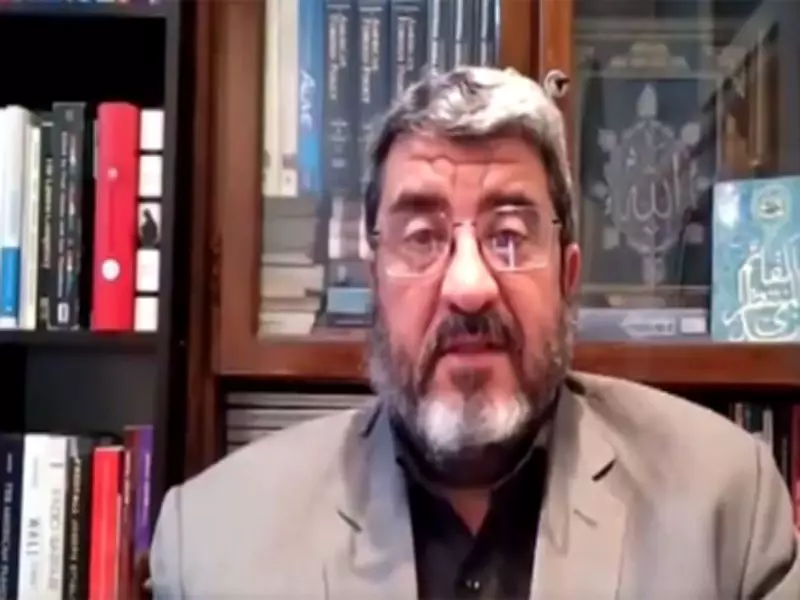
As the conflict in West Asia continues into its fourth week, Iranian academic Foad Izadi has strongly criticized the escalation, labeling it an "unnecessary war" despite the availability of diplomatic alternatives. Izadi, an Associate Professor at the University of Tehran, spoke to ANI, highlighting the severe impact on civilians and questioning the motives behind the military actions.
Civilian Casualties and Allegations of Unjust Strikes
Izadi reported that more than 2,000 civilians have been killed in strikes conducted by the United States and Israel. He provided a harrowing example, stating, "We have lost over 2,000 civilians, including 165 little girls, when their school was hit by American Tomahawk missiles on the first day of the illegal attacks." He emphasized that a diplomatic solution was feasible and that Iran posed no threat to the United States, making the conflict avoidable.
Claims of Israeli Influence on US Policy
The professor pointed to remarks by former US official Joe Kent to support his argument that Israeli pressure influenced Washington's decision-making. "You don't have to take an Iranian professor's analysis; you can just read Joe Kent's resignation letter," Izadi said. He explained that Kent, a high-ranking official in the Trump administration, suggested Israel's desire for regional dominance led to using American forces against Iran, causing significant difficulties for the country.

Kent had previously stated on the Tucker Carlson show, "The Israelis drove the decision to take this action, which we knew would set off a series of events because the Iranians would retaliate." This aligns with Izadi's view of external pressures shaping the conflict dynamics.
Iran's Retaliatory Actions and Military Targets
On Iran's response, Izadi described attacks on US military bases in the Gulf as legitimate, arguing these bases were used to launch operations against Iran. "Initially, Iran just hit US military bases, which are legitimate military targets. The US is using these bases to attack Iran," he said. He added that Iran refrained from targeting oil facilities until its own sites, such as the South Pars facility, were attacked.
"Oil refineries are not normally legitimate military targets, but when they hit our side, then Iran has no other option but to do the same to the other side," Izadi told ANI, justifying the escalation in tactics as a defensive measure.
US Stance and Ongoing Military Operations
Meanwhile, US President Donald Trump indicated a reluctance to pursue a ceasefire at this stage. Speaking outside the White House, Trump said, "We can have dialogue, but I don't want to do a ceasefire. You don't do a ceasefire when you're literally obliterating the other side... we're not looking to do that." He later noted that the United States is nearing its military objectives in the region, particularly concerning Iran, and suggested operations might "wind down" once these goals are achieved.
The conflict has sparked intense debate over its necessity and the high civilian toll, with Izadi's comments underscoring calls for diplomatic resolutions over military escalation.