

Gulf Region Gripped by Unprecedented Missile Crisis as Iran Launches Multi-Nation Assault
The already volatile Gulf region has been plunged into a new phase of extreme tension following a massive wave of Iranian missile and drone attacks targeting several key nations. This significant escalation of the ongoing Iran–US–Israel conflict has seen projectiles fired towards major capitals and strategic locations, marking one of the largest aerial offensives since hostilities began.
Widespread Attacks and Defensive Responses Across the Arabian Peninsula
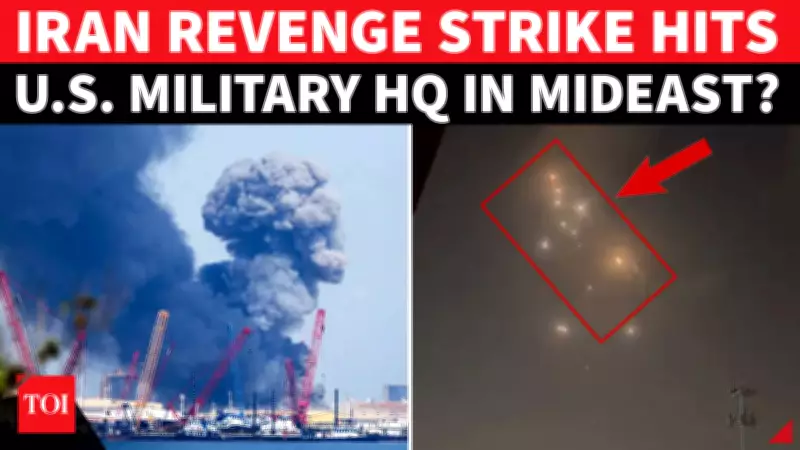
Qatar officially confirmed that its air defense systems successfully intercepted a missile aimed at its territory, with residents of Doha reporting powerful explosions in the skies above the city. This development is particularly alarming as Doha hosts the region's most substantial United States military installation, raising immediate concerns about the safety of American personnel and assets.
The offensive was not isolated to Qatar. Multiple Gulf Cooperation Council (GCC) member states reported similar aerial threats throughout the day:

- Kuwait announced its forces had shot down seven hostile drones approaching its airspace.
- Saudi Arabia engaged and destroyed drones over its critically important Eastern Province, home to vast oil reserves and production facilities.
- The United Arab Emirates, including the global hub of Dubai, activated its comprehensive air defense network against incoming projectiles.
- Bahrain also scrambled to counter threats, deploying its defensive capabilities to protect its sovereign territory.
Immediate Fallout: Aviation Chaos and Diplomatic Scramble
The ripple effects of this military escalation are being felt far beyond the immediate conflict zone. Qatar Airways, one of the world's leading long-haul carriers, has been forced to significantly scale back its flight operations and has issued urgent travel advisories to passengers. This disruption threatens to create a cascading impact on global air travel connectivity, particularly for routes transiting through the strategically vital Middle Eastern hubs.
On the diplomatic front, Gulf nations are urgently ramping up their security alert levels to maximum. High-level emergency meetings are currently underway in the Saudi capital of Riyadh, as regional leaders convene to formulate a coordinated response aimed at stabilizing a security situation that is deteriorating at a rapid and alarming pace. The primary objective of these talks is to prevent a full-scale regional war and to de-escalate the immediate military confrontation.
This multi-pronged Iranian assault represents a dangerous and deliberate widening of the conflict's geographical scope, directly challenging the security architecture of America's key allies in the region. The successful interceptions by Gulf states, while preventing catastrophic ground damage for now, underscore the severe and ongoing threat to civilian infrastructure, international energy markets, and regional stability. The world watches anxiously as this crisis enters a perilous new chapter with potentially global consequences.






