

Iran's Parliament Speaker Alleges Enemy Plot to Seize Island, Issues Stern Warning
In a significant escalation of regional tensions, Iran's Parliament Speaker, Mohammad Bagher Ghalibaf, has publicly accused enemy countries of preparing to occupy one of Iran's islands. Speaking via a post on the social media platform X, Ghalibaf stated that intelligence reports indicate this plan is being supported by a regional nation, though he did not specify which island or countries are involved.
Iran's Stern Response and Military Monitoring
Ghalibaf emphasized that Iranian forces are closely monitoring all enemy movements. He issued a stark warning, declaring that if any hostile steps are taken, Iran will target all vital infrastructure of the supporting regional country with relentless and unceasing attacks. This statement underscores Iran's readiness to retaliate aggressively against perceived threats to its territorial integrity.
Context of US Military Buildup in the Region
The allegations come amid a substantial increase in US military presence in the Middle East. According to reports from Al Jazeera, the Pentagon has ordered approximately 2,000 additional soldiers from the US Army's 82nd Airborne Division to deploy from their base in North Carolina to the region. This deployment is part of a larger buildup that includes:

- Two Marine Expeditionary Units en route from the Pacific.
- The Tripoli Amphibious Ready Group moving from Japan.
- The Boxer Amphibious Ready Group traveling from San Diego.
Combined, these reinforcements are expected to add between 6,000 and 7,000 marines and sailors to the roughly 50,000 US troops already stationed in the Middle East. This represents one of the largest US military deployments since the Iraq war in 2003.
Potential Scenarios and Iranian Foreign Minister's Remarks
While no ground operation has been ordered, analysts suggest that the scale and composition of these forces, along with public statements from US officials, point to several possible scenarios under consideration. These may include:
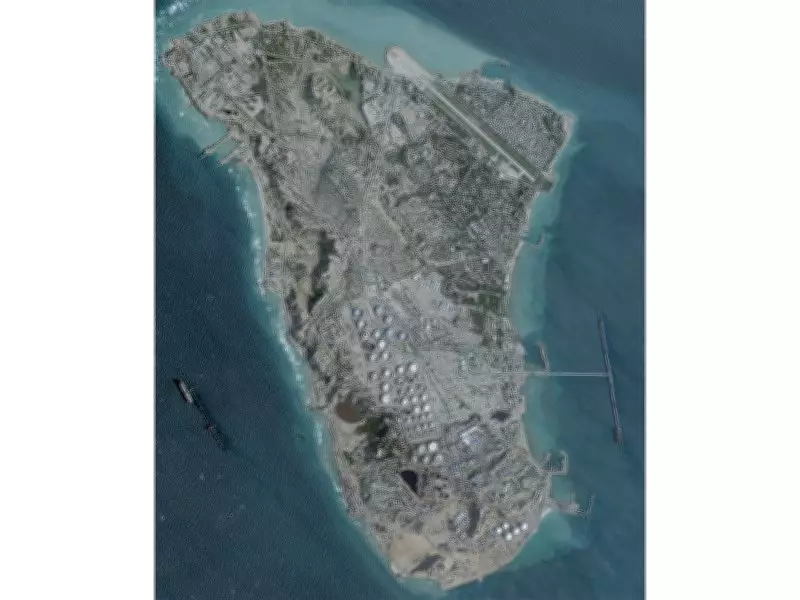
- Seizing or blockading Kharg Island, a key Iranian oil terminal.
- Clearing Iran's coastline to reopen the strategically vital Strait of Hormuz.
- Securing Iran's nuclear material in a high-stakes operation.
In a related development, Iranian Foreign Minister Abbas Araghchi commented on the situation, asserting that the US has failed to achieve its primary war objectives against Iran. He highlighted that goals such as securing a quick military victory and instigating regime change in Tehran have not been realized, as reported by Al Jazeera.
Implications for Regional Stability
The convergence of Iran's warnings and the US military buildup raises serious concerns about escalating tensions in the Middle East. Ghalibaf's statements reflect Iran's assertive posture in defending its sovereignty, while the US deployments signal a readiness for potential conflict. The situation remains fluid, with both sides positioning themselves amid ongoing diplomatic and military maneuvers.
As events unfold, the international community is closely watching for any further developments that could impact regional stability and global security dynamics.






