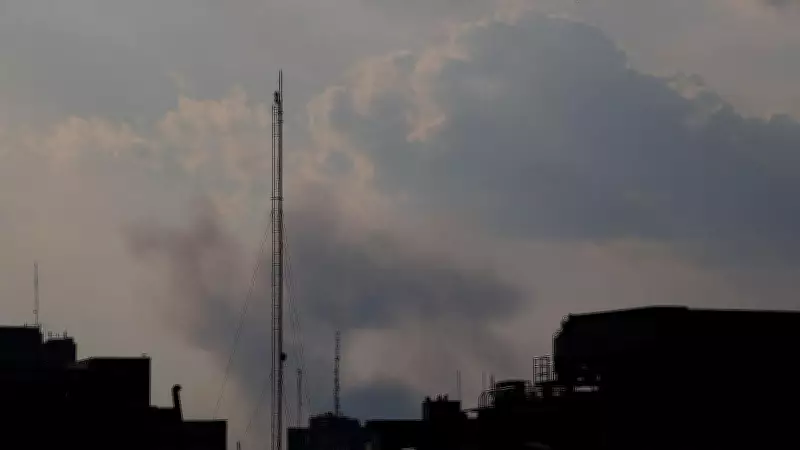
Iran Pledges Retaliation Amid Escalating Regional Tensions
In a stern declaration, Iran has vowed to decisively "crush" any attacks following recent strikes that have targeted critical regional infrastructure. This aggressive stance comes as the United Nations Security Council (UNSC) prepares to make a pivotal decision regarding the authorization of "use of force" measures aimed at safeguarding the strategically vital Strait of Hormuz.
UNSC to Vote on Force Authorization for Strait of Hormuz
The UNSC is set to deliberate on a resolution that would permit the use of military force to protect the Strait of Hormuz, a crucial maritime chokepoint for global oil shipments. This move underscores the international community's growing concerns over the security of this key waterway, which has been a flashpoint in regional conflicts.
Kuwait Military Intercepts Missiles and Drones
Meanwhile, the Kuwaiti military has confirmed that it is actively working to intercept missiles and drones that have been fired in the region. According to official statements, the Gulf nation's air defense systems are currently engaged in responding to hostile threats, including both missile and drone attacks.

The situation remains fluid, with Kuwait's defenses on high alert as they counter these aerial threats. This development highlights the broader regional instability and the immediate security challenges faced by Gulf nations in the wake of escalating hostilities.
Implications for Regional and Global Security
The combined actions of Iran's vow to retaliate, the UNSC's potential authorization of force, and Kuwait's defensive measures signal a significant escalation in regional tensions. Key points to consider include:
- Iran's Response: Iran's promise to crush attacks could lead to further military engagements, potentially destabilizing the area.
- UNSC Decision: The outcome of the UNSC vote will have far-reaching implications for international law and the use of force in conflict zones.
- Kuwait's Role: Kuwait's interception efforts demonstrate the proactive steps being taken by Gulf states to protect their sovereignty amid rising threats.
As events continue to unfold, the international community watches closely, with the Strait of Hormuz at the center of geopolitical and economic concerns. The resolution of these tensions will likely shape regional dynamics for the foreseeable future.