Iran and US to Begin Ceasefire Negotiations in Islamabad on April 10
In a significant diplomatic development, Iran and the United States have officially announced that they will initiate ceasefire talks on April 10 in Islamabad, Pakistan. This move comes after a period of heightened military tensions and public statements from both nations, with the aim of de-escalating the conflict and exploring pathways to a sustainable peace agreement.
Background of the Escalation and Ceasefire Announcement
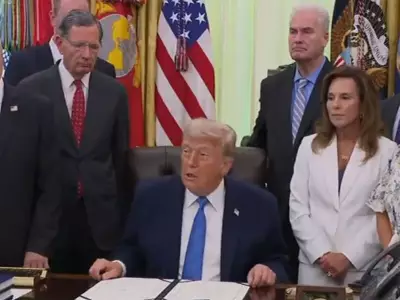
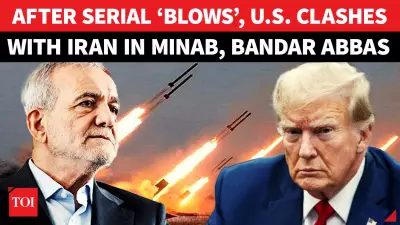
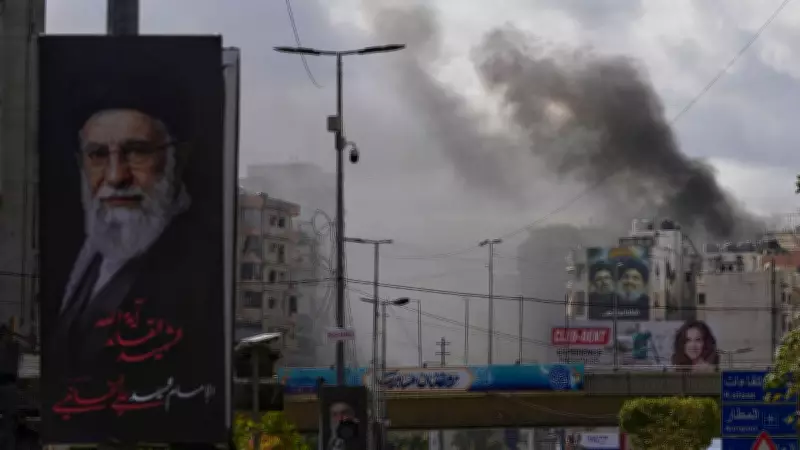
The decision to hold talks follows a series of recent confrontations that raised fears of a broader regional war. Earlier this week, both countries engaged in limited military actions, prompting international calls for restraint. In response, the United States, under the administration of President Donald Trump, declared a temporary ceasefire to facilitate diplomatic efforts. Iran subsequently confirmed its willingness to participate in negotiations, signaling a potential shift from hostility to dialogue.
The choice of Islamabad as the venue is notable, as Pakistan has historically maintained neutral diplomatic relations with both Iran and the United States, positioning it as a credible mediator in this high-stakes conflict.

Key Objectives and Challenges for the Upcoming Talks
The primary goals of the April 10 meeting include:
- Establishing a formal ceasefire agreement to prevent further military engagements and reduce the risk of accidental escalations.
- Addressing underlying geopolitical issues, such as regional influence, nuclear concerns, and economic sanctions, which have long fueled tensions between the two nations.
- Building trust through confidence-building measures, which may involve prisoner exchanges, humanitarian aid, or joint security initiatives.
However, significant challenges remain. Historical animosities, divergent political agendas, and the involvement of proxy forces in the region could complicate negotiations. Both sides have expressed cautious optimism, but experts warn that achieving a lasting resolution will require substantial compromises and international support.
International Reactions and Implications
The announcement has garnered mixed reactions from the global community. Key allies of the United States, including several European nations, have welcomed the talks as a positive step toward stability in the Middle East. Conversely, some regional powers have expressed skepticism, fearing that any agreement might alter the balance of power in the area.
If successful, these negotiations could have far-reaching implications:
- Reduction in regional violence, potentially saving lives and preventing further humanitarian crises.
- Economic benefits, as a stabilized region might attract investment and ease trade disruptions caused by the conflict.
- Strengthening of diplomatic norms, setting a precedent for resolving international disputes through dialogue rather than military means.
As the April 10 date approaches, all eyes will be on Islamabad, where diplomats from Iran and the United States will attempt to bridge deep-seated differences and chart a course toward peace. The outcome of these talks could significantly influence not only bilateral relations but also the broader geopolitical landscape of the Middle East and beyond.