Iran Threatens Second Middle East Shipping Chokepoint After Hormuz
Iran has issued a significant strategic warning by hinting at potential threats to the Bab el-Mandeb Strait, a crucial global shipping route. This move signals a possible escalation in Tehran's pressure tactics, expanding beyond its traditional focus on the Strait of Hormuz.
Parliament Speaker's Strategic Questions
Iranian Parliament Speaker Mohammad Bagher Ghalibaf raised pointed questions about the volume of oil, liquefied natural gas (LNG), and essential goods passing through the Bab el-Mandeb chokepoint. Analysts interpret this as a deliberate warning, suggesting Tehran may be considering actions to disrupt this vital maritime corridor.
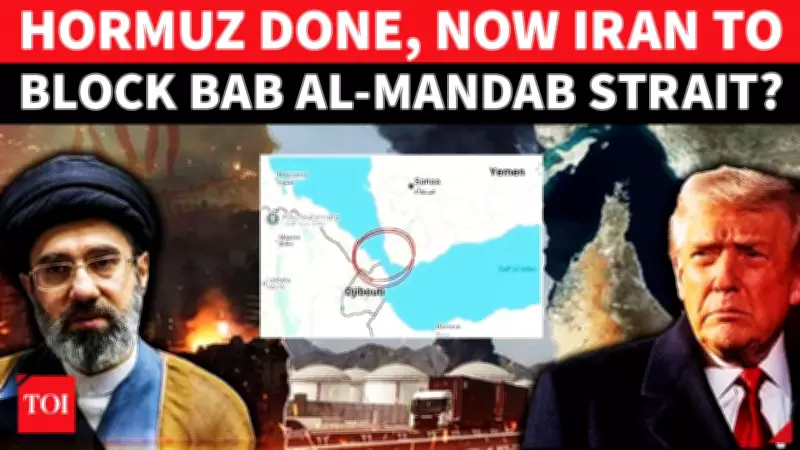
The Bab el-Mandeb Strait connects the Red Sea to the Gulf of Aden and the Indian Ocean, handling approximately 30% of global container traffic and significant energy shipments. Any disruption here would have immediate consequences for Europe-Asia commerce and global supply chains.

Expanding Pressure Strategy
This development represents a strategic expansion of Iran's maritime pressure campaign. While Tehran has long threatened the Strait of Hormuz—through which about 20% of global oil consumption passes—targeting Bab el-Mandeb opens a second front in Middle East shipping chokepoints.
Several factors make this escalation particularly concerning:
- The waterway's critical importance for global trade and energy supplies
- Iran's demonstrated capability to influence regional proxy groups
- The potential for coordinated actions with allied forces like the Houthis
- Increased vulnerability of European and Asian economies to supply disruptions
Regional and Global Implications
The Bab el-Mandeb threat comes amid heightened regional tensions and raises serious concerns about wider disruption to global supply chains. Shipping companies and energy markets are closely monitoring the situation, as any action against this chokepoint would:
- Force rerouting of vessels around Africa, adding significant time and cost
- Increase insurance premiums for ships transiting the region
- Disrupt energy supplies to European and Asian markets
- Potentially trigger broader regional conflict involving multiple actors
Analysts note that Iran's ability to project power in the Bab el-Mandeb area is enhanced through its relationships with regional groups, particularly the Houthis in Yemen who have previously demonstrated capability to threaten shipping in nearby waters.
Strategic Calculations and Future Scenarios
Tehran's move appears calculated to increase its leverage in regional and international negotiations. By threatening multiple shipping chokepoints simultaneously, Iran potentially gains:
- Greater bargaining power in nuclear negotiations
- Enhanced regional influence amid ongoing conflicts
- Increased ability to shape global energy markets
- Stronger position against perceived adversaries
The international community faces difficult decisions about how to respond to this escalation. Options range from increased naval patrols and security cooperation to diplomatic pressure and economic measures, each with its own risks and potential consequences.
As the situation develops, global attention remains focused on whether Iran will translate these threats into concrete actions, and how the international community will respond to protect vital shipping lanes and maintain global trade stability.