

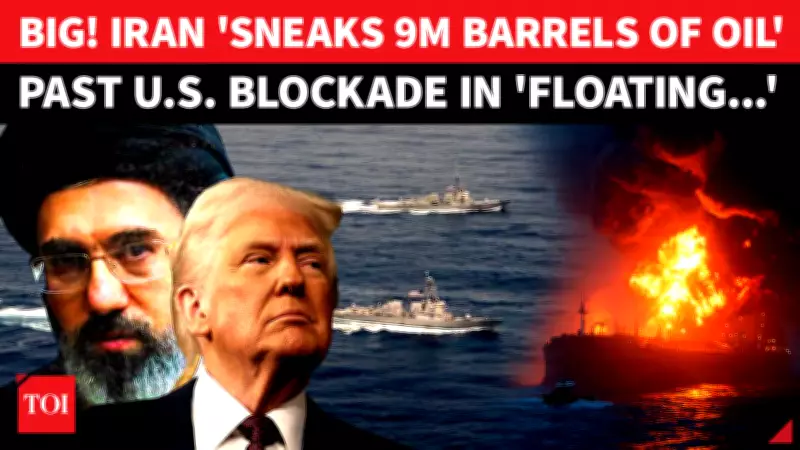
Iran Capitalizes on US Policy Confusion to Ship Massive Oil Cargo
In a significant development that highlights geopolitical tensions in the Middle East, Iran has successfully navigated through the confusion surrounding US naval blockade policies in the Strait of Hormuz. According to the latest tracking data and intelligence reports, Iran has managed to ship approximately 9 million barrels of crude oil from its floating storage facilities in the Gulf of Oman. This substantial movement occurred despite the United States naval blockade officially coming into force on April 13, 2026.
Contradictory US Statements Create Operational Gaps
The successful Iranian oil shipment appears to be directly linked to contradictory statements and policy confusion among US officials regarding the enforcement of the blockade. Multiple sources indicate that different branches and representatives of the US government have provided conflicting information about:
- The specific parameters of the Hormuz blockade
- Enforcement protocols for Iranian ports
- Response measures for non-compliance scenarios
This lack of coordinated messaging and clear operational guidelines has created strategic openings that Iran has been quick to exploit. The Islamic Republic has effectively turned Washington's internal confusion into a tactical advantage, testing both the resolve and operational capabilities of US naval forces in the region.

Strategic Implications of the Oil Movement
The shipment of 9 million barrels represents a significant economic and strategic victory for Iran at a time of heightened tensions. This development carries multiple implications:
- Economic Resilience: Despite sanctions and blockade attempts, Iran continues to maintain its oil export capabilities, providing crucial revenue for its economy.
- Geopolitical Signaling: The successful shipment demonstrates Iran's ability to operate in contested waters and challenges US dominance in regional maritime security.
- Alliance Testing: The incident tests the cohesion of US-led alliances in the Middle East and their collective response mechanisms.
Analysts suggest that Iran's ability to move such a substantial quantity of oil under blockade conditions indicates either sophisticated evasion techniques or significant gaps in US surveillance and interdiction capabilities.
Broader Context of US-Iran Tensions
This oil shipment incident occurs against a backdrop of escalating tensions between the United States and Iran. Recent developments include:
- Iranian mockery of US military operations following the Isfahan incident
- Threats from Iranian officials regarding potential military responses to US naval movements
- International criticism of US sanctions policies from countries including China
- Regional conflicts involving proxy forces and allied nations
The Hormuz blockade confusion and subsequent Iranian oil shipment represent just one facet of the complex, multi-dimensional confrontation between Tehran and Washington. Both nations appear to be testing each other's limits while seeking to avoid direct military confrontation that could escalate into broader regional conflict.
As the situation continues to evolve, international observers are closely monitoring how the United States will respond to this challenge to its blockade authority and whether Iran will attempt additional shipments under similar circumstances.






