Iran has strongly rejected recent allegations from the United States that it is preparing attacks on American military facilities. The Islamic Republic accused Washington of deliberately stoking tensions across West Asia. Iranian officials issued a clear warning that they would respond forcefully to any act of aggression against their nation.
US Claims and Iranian Rejection
The diplomatic exchange began after the US State Department posted a message in Persian on social media platform X. The American statement claimed they had received reports suggesting Iran was actively exploring options to target US military bases in the region. The US post added that "all options remain on the table" for Washington. It warned explicitly that any attack on American assets would be met with "very, very strong force."
Iran's Foreign Ministry spokesman Esmaeil Baghaei quickly dismissed these claims. He stated the allegations fit a long-standing pattern of American escalation in the region. "These statements and claims are in line with the United States' ongoing policy of fueling tensions in the region," Baghaei said, according to state broadcaster Press TV. He emphasized that Iran's armed forces remain focused on strengthening defensive capabilities to protect national sovereignty.

Broader Context of Domestic Unrest
Iranian state media connected the US allegations to broader unrest inside the country. Officials blamed both Washington and Israel for encouraging violence during protests that began late last month. These demonstrations initially focused on economic hardship but later turned violent according to Iranian reports.
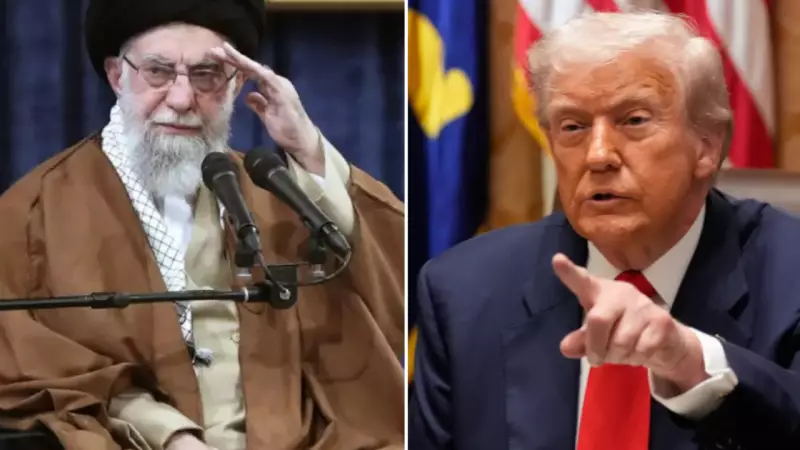
Press TV described scenes of vandalism and attacks on cities carried out by what it called foreign-backed mercenaries. The broadcaster reported these incidents resulted in deaths among both civilians and security personnel. Supreme Leader Ayatollah Ali Khamenei made strong statements on Saturday, accusing US President Donald Trump of direct responsibility for deaths and destruction during the unrest.
Khamenei claimed individuals involved in violence had been identified, trained and recruited by American and Israeli agencies. Iranian officials have presented specific casualty figures from the protests. They claim at least 5,000 people were killed during the unrest, including approximately 500 members of security forces. Authorities blame "terrorists and armed rioters" for these deaths.
Communication Blackout and Current Situation
Rights groups monitoring the situation offer a different perspective. They say the true death toll remains unclear due to a sweeping communications blackout imposed during the government crackdown. For nearly ten days, internet access was severely restricted across Iran.
Officials now report that schools have reopened and internet access is being gradually restored. However, many mobile and broadband services remain restricted or limited in functionality. The government has issued warnings about swift trials and possible executions for those accused of serious offences during the protests.
Despite the tense situation, Khamenei stated Iran would not seek war with any nation. He simultaneously warned that Tehran would not allow "domestic or international criminals" to go unpunished. The Supreme Leader's comments reflect Iran's dual approach of asserting defensive capabilities while maintaining diplomatic positions.
The exchange highlights ongoing tensions between Iran and the United States in West Asia. Both nations continue to exchange accusations while preparing for potential confrontations. Regional stability remains uncertain as diplomatic channels show little sign of immediate improvement.