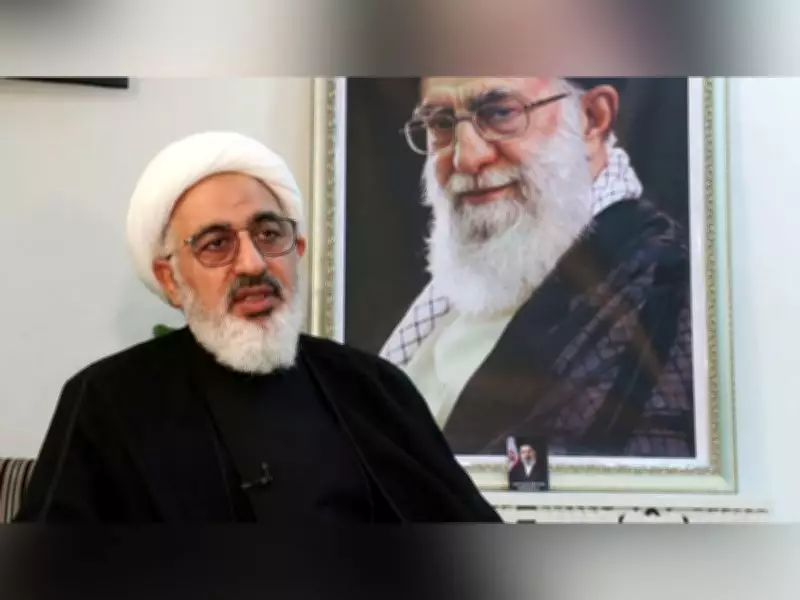
Iran's Representative Firmly Denies US Negotiation Claims, Warns of Prolonged Conflict
In a strong rebuttal to assertions made by US President Donald Trump, Abdul Majid Hakeem Ilahi, the representative in India of Iran's Supreme Leader, has categorically dismissed claims that Tehran is seeking negotiations amid escalating tensions in West Asia. Speaking in an interview with ANI on Saturday, Ilahi emphasized that Iran is not interested in talks with the United States at this moment and is prepared to sustain the conflict for an extended period, even up to five years.
"No. Never Ever": Iran's Stance on Negotiations
Ilahi firmly rejected the idea of current negotiations, stating, "No. Never ever. Iran never wants at the moment to negotiate with them because they started this war. And we have experiences with them. Two times we were negotiating with them, and they attacked us. They targeted us." He highlighted past incidents where Iran engaged in discussions with the US, only to face military actions, reinforcing Tehran's distrust and unwillingness to enter into dialogue under present circumstances.
Preparedness for a Long War and Historical Parallels
Asserting Iran's resilience, Ilahi drew parallels with the Iran-Iraq war, which lasted eight years, to underscore Tehran's capability to endure prolonged conflict. He declared, "I don't know any deadline for this war. But what I know is that Iran is ready to continue this war to the end, even for five years. And we have experience in the war." He further described widespread public support in Iran, with citizens chanting for retaliation and expressing readiness to sacrifice for their land and dignity.

Efforts to Avoid Escalation and Regional Concerns
Ilahi also addressed Iran's attempts to prevent further conflict in the region. He noted, "We didn't want war. Several times, we tried to avoid any type of war in the region. Even though we informed our neighbours that they have to try to avoid the region of this war because the region cannot tolerate any more war." Despite these efforts, the situation has deteriorated, with Ilahi expressing concern over the broader impacts on neighboring countries and global stability.
Global Implications and Economic Disruptions
The representative highlighted the worldwide consequences of the conflict, particularly through disruptions in the Strait of Hormuz, a vital channel for global energy supplies. He explained, "Actually, the crisis is not only for Iran, but it's a global crisis. And they imposed this war on us, and we have to defend ourselves." Ilahi pointed to shortages in gas, petrol, and oil affecting many nations, but maintained that Iran has no choice but to defend its sovereignty, urging international leaders to pressure the US to halt hostilities.
Background of the Conflict and Current Situation
The ongoing conflict in West Asia, which began on February 28, involves fighting between Israel and the US on one side and Iran on the other. It escalated after the killing of Iran's Supreme Leader, Ayatollah Ali Khamenei, in joint military strikes by the US and Israel. In retaliation, Iran targeted Israeli and US assets in Gulf countries and Israel, leading to significant disruptions in maritime routes and international energy markets. As a result, Iran has effectively closed the Strait of Hormuz, exacerbating global economic instability and underscoring the strategic importance of the region.