Iran Protests Erupt Over US Ceasefire Deal as Fragile Truce Takes Hold
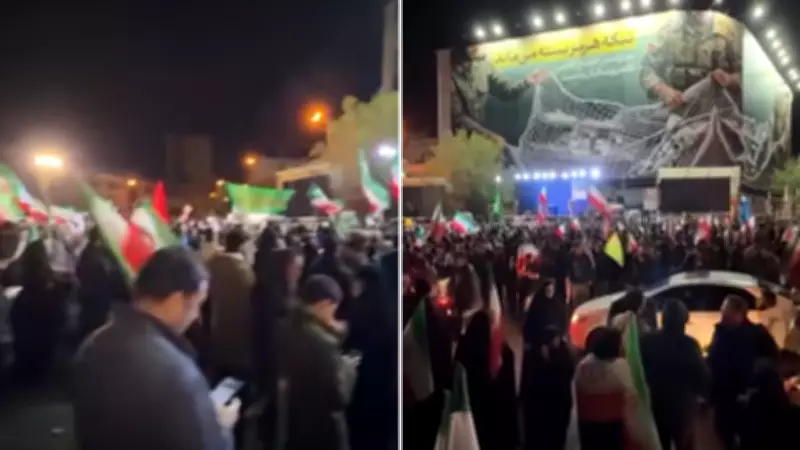
The streets of Tehran echoed with angry chants of "Death to America, death to Israel, death to compromisers!" as pro-government demonstrators reacted with fury to the announcement of a two-week ceasefire between Iran and the United States. Crowds burned American and Israeli flags in a dramatic display of opposition to the diplomatic agreement, according to reports from the Associated Press news agency.
Last-Minute Ceasefire Agreement Reached
The truce was agreed at the eleventh hour on Tuesday, coming just as US President Donald Trump stepped back from threats of massive military escalation in the region. President Trump described the deal as a "total and complete victory" for Washington, with the United States pausing its attacks in exchange for Iran reopening the strategic Strait of Hormuz.
This crucial waterway serves as a vital artery for global oil supplies, and Tehran confirmed it would allow safe passage through the strait for the two-week period. However, specific details regarding enforcement mechanisms and monitoring procedures remain notably unclear, raising questions about the practical implementation of the agreement.

Street Protests Reflect Deep Divisions
Despite this diplomatic breakthrough, the mood on Iran's streets told a dramatically different story from the official announcements. The chants specifically targeting "compromisers" reflected growing unease among regime loyalists over any perceived concession to Washington. Many demonstrators had expected an all-out confrontation after weeks of escalating strikes that have resulted in thousands of casualties and significantly shaken regional stability.
The protests highlighted the complex political dynamics within Iran, where hardline elements view any negotiation with the United States as unacceptable weakness. This internal opposition creates additional challenges for Iranian leaders attempting to navigate the delicate ceasefire arrangement.
Iran's Comprehensive Peace Proposal
Simultaneously with the ceasefire announcement, Iran has pushed forward a comprehensive 10-point proposal aimed at ending the broader conflict. The proposal includes several key demands:
- Immediate relief from international sanctions
- Continued uranium enrichment rights
- Complete withdrawal of US forces from the Middle East
- Regional security guarantees
- Compensation for war damages
While President Trump initially characterized the Iranian plan as "workable," he later dismissed significant portions of it, highlighting the fragile and often contradictory nature of the ongoing negotiations between the two nations.
Mediation Efforts and Regional Complications
Mediation efforts led by Pakistani Prime Minister Shehbaz Sharif have brought both sides to the negotiating table, with formal talks expected to convene in Islamabad later this week. However, significant divisions persist not only between Washington and Tehran but also among their respective regional allies.
Israel has cautiously backed the pause in US strikes but has explicitly insisted that the ceasefire does not extend to its ongoing conflict with Hezbollah in Lebanon. This position directly contradicts earlier claims from Pakistani mediators who suggested a broader regional truce, creating confusion about the ceasefire's actual scope and limitations.
Violence Continues Despite Diplomatic Progress
Even as political leaders speak of diplomatic solutions, violence has not fully subsided in the region. Missile alerts sounded across parts of the Gulf following the ceasefire announcement, and both Iran and Israel continued limited military strikes in the hours after the truce was declared.
The US military has officially halted offensive operations but maintains a defensive posture throughout the region, with forces remaining on high alert. This military readiness reflects ongoing concerns about potential violations or breakdowns in the fragile ceasefire arrangement.

International Response and Future Prospects
Global reactions to the ceasefire have been cautiously optimistic, with the United Nations urging all parties to honor the truce terms and work toward a more permanent resolution. International observers note that while the two-week pause represents a significant diplomatic achievement, substantial obstacles remain before any lasting peace can be established.
The coming days will test whether the ceasefire can hold amid continued protests in Iran, ongoing regional conflicts, and the complex web of demands from all involved parties. The situation remains fluid, with the potential for rapid escalation still present despite the current diplomatic efforts.