Iran Maintains Hardline Stance Amid Regional Tensions
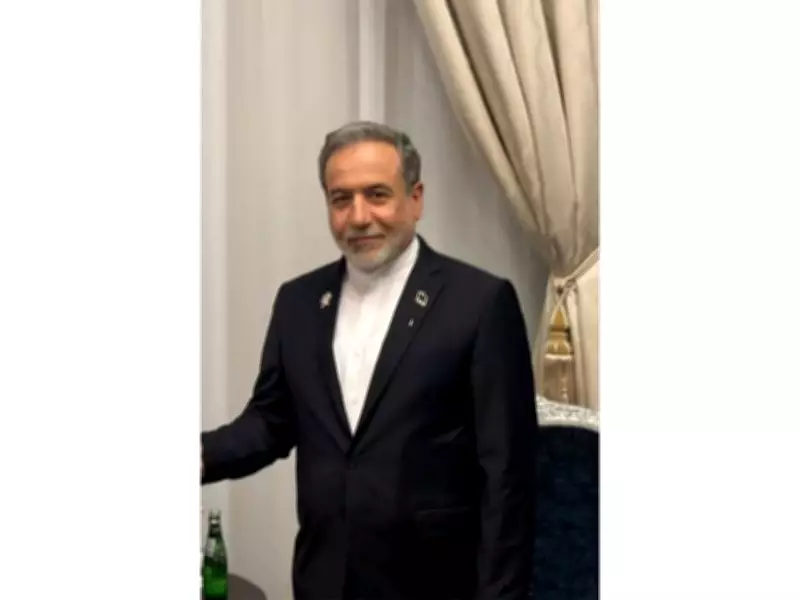
In a firm declaration of defiance, Iran's Foreign Minister Abbas Araghchi has pledged that the Islamic Republic will continue its defensive and retaliatory measures until the United States and Israel are made to regret their aggressive actions. This statement comes as Tehran reinforces its hardline stance, despite ongoing negotiations claimed by US President Trump to resolve the conflict.
Diplomatic Exchange with China
During a telephone conversation with Chinese counterpart Wang Yi, Araghchi detailed what he described as attacks by Washington and Tel Aviv targeting Iran's civilian and defence infrastructure. He emphasized that these actions are the primary cause of the current instability in the region. Araghchi stated, "Iran will defend its national sovereignty and territorial integrity until all objectives are achieved and the enemy is made to regret its violent aggression." He further linked the insecurity in the Persian Gulf and the Strait of Hormuz directly to these atrocities, asserting that Iran's measures are in accordance with international law and aimed at preventing aggressors from misusing the waterway.
Retaliatory Strikes by IRGC
Simultaneously, Iran's Islamic Revolution Guards Corps (IRGC) announced it had launched a fresh wave of retaliatory strikes targeting Israel's intelligence facilities. According to the IRGC's Public Relations Department, powerful missiles including Kheybar Shekan, Emad, and Sejjil, alongside kamikaze drones from the IRGC Aerospace Force, were deployed. These weapons breached Israel's multi-layered air defence systems, hitting targets in northern and central Tel Aviv, as well as military commercial and support centres in Ramat Gan and the Negev. Additional strikes targeted Israel's southern military logistics and command headquarters in Beersheba, escalating the conflict further.

US Negotiations and Regime Change Claims
Amid these developments, US President Trump claimed that negotiations with Iran are progressing, suggesting a potential regime change. He remarked, "They are going to make a deal... They gave us a present yesterday, and it arrived today. It was a very big present worth a tremendous amount of money... It was oil and gas related... The leadership was killed. All gone. Khamenei was all gone, as the expression goes, the past Supreme Leader. Then the new Supreme Leader was, at a minimum, racked up pretty good... We are dealing with a group of people who turned out. The present they gave to us was very significant... They are the only ones that could have done it... It was related to the flow, to the Strait (of Hormuz). We have a new group, and we can easily do that, but let's see how they turn out. This is a change in the regime because the leaders are all very different from the ones that we started off with, who created all those problems." This statement highlights the complex diplomatic landscape as strikes and counter-strikes continue.
Regional Implications
With ongoing military actions and diplomatic posturing, peace in the troubled West Asia region remains elusive. The situation underscores the deep-seated tensions between Iran and its adversaries, with both sides showing no signs of backing down. As Iran vows to defend its sovereignty at all costs, the international community watches closely, concerned about the potential for further escalation and its impact on global stability.