Iran Issues Evacuation Warning to Gulf Energy Sites After Gas Facilities Attack
In a significant escalation of tensions in West Asia, Tehran has issued urgent evacuation warnings to energy sites across the Gulf region. This directive comes in direct response to a recent attack targeting Iranian gas facilities, which has heightened security concerns and disrupted regional stability.
Oil Prices Surge Amidst Rising Geopolitical Tensions
The news of the attack and subsequent evacuation orders triggered a sharp spike in global oil markets. Brent crude futures experienced a dramatic increase, gaining more than 6% to reach a session high just shy of $110 per barrel. This surge reflects growing investor anxiety over potential supply disruptions in one of the world's most critical energy-producing areas.
Market analysts are closely monitoring the situation, as any further escalation could lead to prolonged volatility in oil prices. The Gulf region is a key hub for global energy exports, and any threats to its infrastructure have immediate repercussions on international markets.

Background and Regional Implications
The attack on Iranian gas facilities underscores the fragile security environment in West Asia. While details of the assailants remain unclear, the incident has prompted Tehran to take proactive measures to safeguard its interests and those of neighboring energy operations.
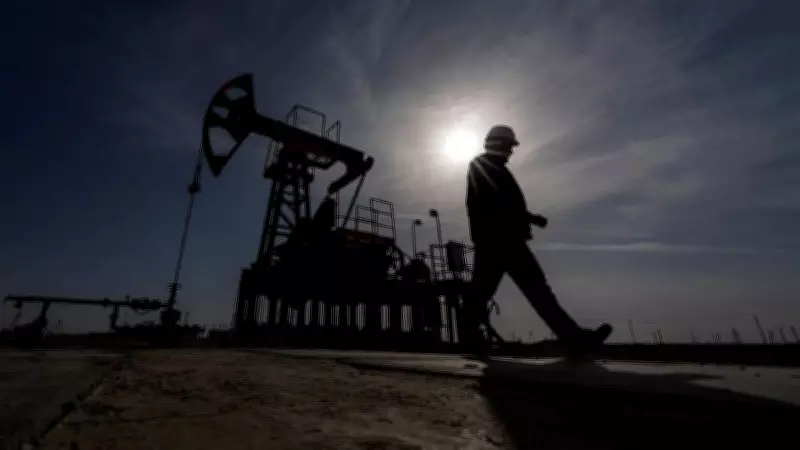
Evacuation warnings have been extended to various Gulf energy sites, including oil rigs and processing plants, as a precaution against potential retaliatory actions or further attacks. This move aims to prevent casualties and minimize damage to critical infrastructure.
- The evacuation order affects multiple countries in the Gulf region, raising concerns about broader regional conflict.
- Energy companies are assessing security protocols and may temporarily halt operations to ensure worker safety.
- International stakeholders, including major oil importers, are urging de-escalation to avoid a full-blown crisis.
Global Reactions and Future Outlook
World leaders and diplomatic channels are actively engaged in efforts to calm tensions. The United Nations and other international bodies have called for restraint, emphasizing the need for peaceful resolution to prevent further economic and humanitarian fallout.
As the situation evolves, experts warn that prolonged instability could lead to sustained high oil prices, impacting global economies already grappling with inflationary pressures. The coming days will be critical in determining whether diplomatic interventions can mitigate the risk of wider conflict.
In summary, the attack on Iranian gas facilities and Tehran's subsequent evacuation warnings have created a volatile scenario in the Gulf, with immediate effects on oil markets and long-term implications for regional security. Stakeholders worldwide are watching closely as events unfold in this strategically vital area.