Iran's Police Chief Announces Limited Amnesty for Protesters
Iran's national police chief has issued a surprising announcement. Ahmad-Reza Radan stated that people who were "deceived" into joining recent protests have a brief window to turn themselves in. They will receive lighter punishment if they surrender within three days.
Radan made this declaration on state television. He specifically addressed young people who participated in what authorities call "riots." The police chief emphasized these individuals should be considered "deceived" rather than enemy soldiers.
Protests Erupt Over Economic Woes
The unrest began in late December across multiple Iranian cities. Economic frustrations sparked the initial demonstrations. Soaring prices and widespread job insecurity drove people into the streets.

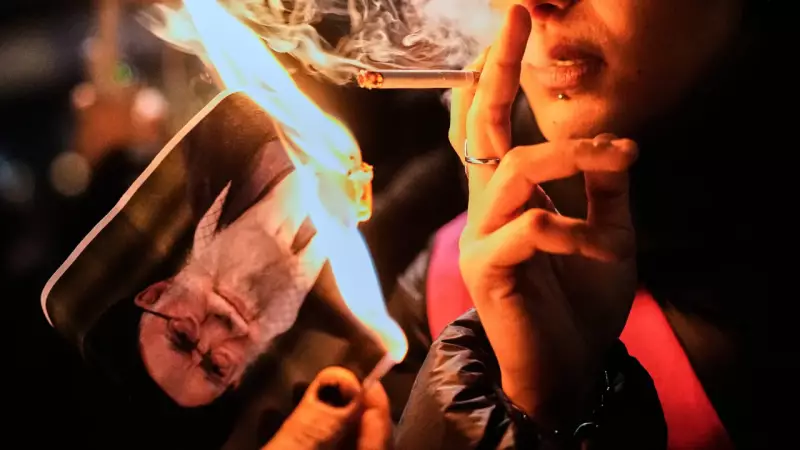
Frustrated traders, university students, and city residents joined protests in major urban centers. Tehran, Mashhad, and Isfahan saw significant demonstrations. Some protesters even targeted Supreme Leader Ayatollah Ali Khamenei directly.
Graffiti and chants calling for the 86-year-old leader's death appeared in Tehran. The protests quickly escalated beyond economic complaints. They became direct challenges to Iran's ruling theocracy.
Mounting Casualties and Conflicting Figures
Iranian officials have presented varying numbers for the protest death toll. A regional official claimed at least 5,000 people died during the unrest. This figure included approximately 500 security force members.
Some of the deadliest clashes occurred in Kurdish regions of northwest Iran. Human rights and activist groups estimate a wide range of casualties and arrests. Some organizations report more than 24,000 arrests and thousands of verified deaths.
Khamenei Blames Foreign Powers
Supreme Leader Ayatollah Ali Khamenei made a rare acknowledgment of the casualties. He confirmed that "several thousand" people died during the unrest. In a televised address, he pointed fingers at foreign nations.
Khamenei accused the United States and Israel of orchestrating the protests. He described US President Donald Trump as a "criminal" for supporting demonstrators. The Supreme Leader vowed authorities would "break the back of the seditionists."
"We will not drag the country into war," Khamenei stated. "But we will not let domestic or international criminals go unpunished." He warned that both domestic and foreign "criminals" would face consequences.
Judiciary Threatens Severe Punishments
Iran's judiciary has issued stern warnings to protest leaders. Those accused of leading violence could face swift trials and capital charges. Authorities mentioned the charge of Mohareb, or waging war against God.
This represents a capital offense under Iranian law. The judiciary's statement suggests harsh punishments await those deemed responsible for organizing protests.
Trump Escalates Rhetorical Attacks
US President Donald Trump intensified his criticism of Iran's leadership. He called Khamenei a "sick man" and suggested Iran needed new leadership. Trump accused the Supreme Leader of destroying Iran through extreme violence.
The American president urged Iranians to continue protesting. He encouraged them to "take over institutions" and promised "help is on its way." Trump also claimed Tehran had halted planned executions of hundreds of detainees.
Analysts have questioned these assertions about halted executions. The claims remain unverified by independent sources.
Iranian President Issues Stern Warning
Iranian President Masoud Pezeshkian responded to the escalating tensions. He warned that any attack on the Supreme Leader would amount to a declaration of war against Iran. Pezeshkian echoed claims that foreign adversaries influenced the unrest.
The Iranian president reiterated these concerns in a phone call with Russian President Vladimir Putin. This diplomatic communication highlighted Iran's efforts to frame the protests as externally driven.
Signs of Calm Returning
Iranian authorities report that calm is gradually returning to many cities. State media described quiet streets in Tehran and other urban centers. Shops have reopened and schools have resumed classes.

This follows a prolonged communications blackout that disrupted normal life. Internet access has been partially restored in some areas. However, restrictions and heavy filtering remain in place across the country.
The situation remains tense despite these signs of normalization. The three-day amnesty window creates uncertainty about what follows. Both protesters and authorities watch carefully as the deadline approaches.