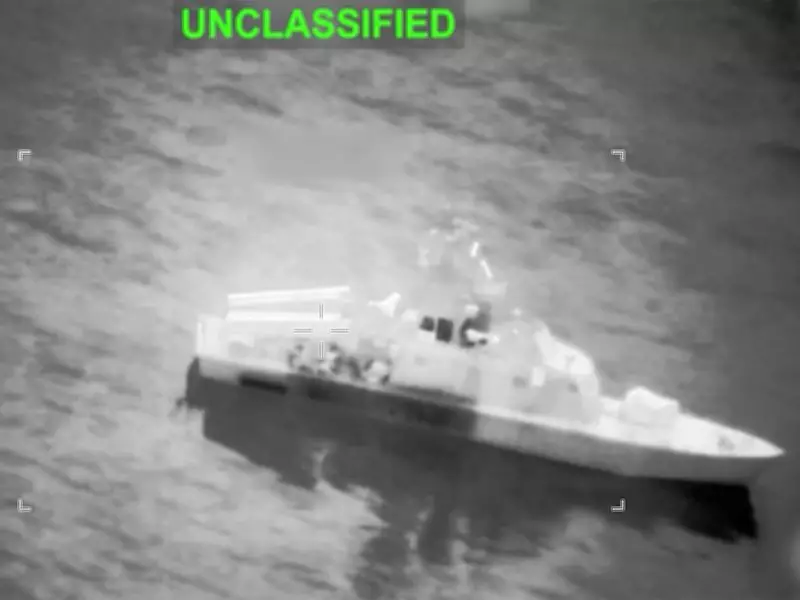
Iran Navy Chief Issues Stern Warning on Strait of Hormuz Passage
In a significant development that could heighten geopolitical tensions, Iran's Navy Chief has declared that vessels seeking to navigate the strategically vital Strait of Hormuz must secure explicit approval from Iran. Failure to comply with this directive could result in these ships being targeted, according to the senior military official's statement. This announcement underscores Iran's assertive stance in controlling one of the world's most crucial maritime corridors, which serves as a primary conduit for global oil shipments.
Implications for Global Maritime Security
The Strait of Hormuz, a narrow waterway linking the Persian Gulf with the Gulf of Oman, is a linchpin in international energy markets, with approximately one-fifth of the world's oil supply transiting through it daily. Iran's Navy Chief emphasized that any vessel operating in these waters without prior authorization from Iranian authorities may be subject to interception or other military actions. This policy reflects Iran's broader strategy to assert its sovereignty and influence in the region, potentially challenging the freedom of navigation principles upheld by many nations.
Regional and International Reactions
This declaration is likely to provoke strong reactions from key global players, including the United States and its allies, who have historically advocated for unimpeded access to international waterways. Analysts suggest that such a move could escalate existing tensions in the Middle East, particularly amid ongoing disputes over Iran's nuclear program and regional proxy conflicts. The warning also raises concerns about the security of commercial shipping lanes, which are vital for the stability of the global economy.

- Vessels must obtain Iran's approval before sailing through the Strait of Hormuz.
- Non-compliance could lead to targeting by Iranian naval forces.
- The strait is a critical chokepoint for global oil transportation.
- This stance may intensify regional geopolitical frictions.
As the situation unfolds, maritime stakeholders and international bodies are expected to closely monitor Iran's enforcement of this policy, which could have far-reaching consequences for trade and security in the Persian Gulf region.