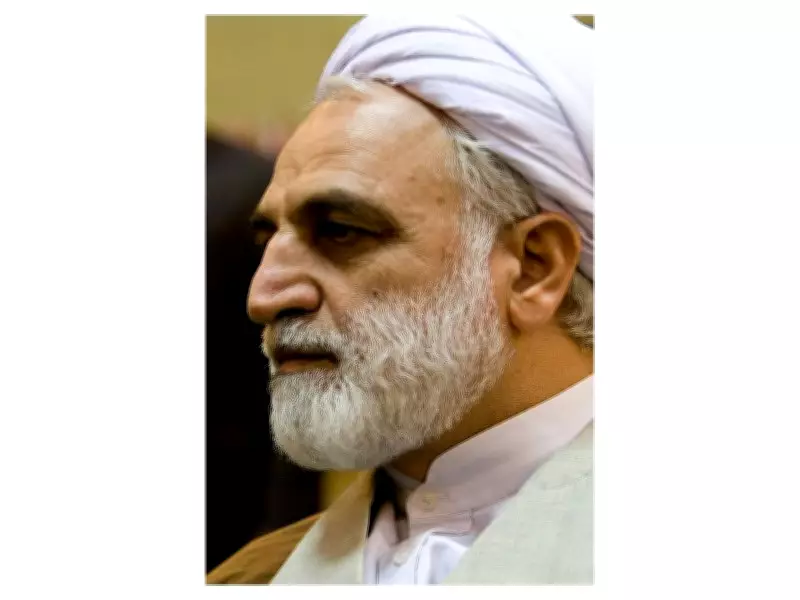
Iran's Judiciary Chief Urges Full Military Preparedness Amid Rising Tensions
In a significant development, Iran's judiciary chief has issued a strong call for the nation to maintain full military readiness to counter any potential acts of aggression. This statement comes as regional tensions escalate, with the official also condemning the United States' naval blockade as a severe violation of established international laws and norms.
Condemnation of US Naval Blockade
The judiciary chief explicitly criticized the United States for imposing a naval blockade, labeling it as a "savage aggression" that undermines global maritime security and sovereignty. He emphasized that such actions by the US are not only provocative but also illegal under international frameworks designed to protect free navigation and territorial integrity.
This condemnation highlights Iran's growing frustration with US policies in the Middle East, particularly those perceived as hostile or interventionist. The official argued that the blockade represents a direct threat to Iran's economic and strategic interests, potentially disrupting vital trade routes and energy exports.

Call for Enhanced Military Readiness
In response to these perceived threats, the judiciary chief stressed the necessity for Iran to bolster its defensive capabilities. He urged all branches of the military to be in a state of full preparedness, ensuring they can effectively respond to any external aggression or provocation.
This call to action underscores Iran's commitment to safeguarding its national security amidst an increasingly volatile geopolitical landscape. The official's remarks reflect a broader strategy within Iran's leadership to project strength and resilience in the face of international pressure, particularly from Western nations led by the United States.
Implications for Regional Stability
The escalating rhetoric and military posturing between Iran and the United States have significant implications for regional stability in the Middle East. Key points of concern include:
- Increased Risk of Conflict: Heightened military readiness on both sides raises the potential for miscalculations or accidental clashes, which could spiral into broader hostilities.
- Impact on Global Oil Markets: Any disruption in the Strait of Hormuz, a critical chokepoint for oil shipments, could lead to volatility in global energy prices and economic instability.
- Diplomatic Strain: The condemnation of the US naval blockade further complicates diplomatic efforts to resolve ongoing disputes, such as those related to Iran's nuclear program and regional influence.
Observers note that this situation adds to the existing tensions in the region, where Iran has been involved in proxy conflicts and faces sanctions from the US and its allies. The judiciary chief's statements are seen as part of Iran's broader narrative to resist external pressures and assert its sovereignty.
International Law and Sovereignty Concerns
The judiciary chief's condemnation of the US naval blockade is rooted in principles of international law, which generally prohibit such blockades unless authorized by the United Nations Security Council or in self-defense. He argued that the US actions lack legal justification and represent an overreach of power that infringes on Iran's rights as a sovereign nation.
This legal perspective is likely to resonate with other countries that have expressed concerns about unilateral actions by major powers, potentially garnering sympathy or support in international forums. However, the US has defended its policies as necessary for regional security and countering what it describes as Iran's destabilizing activities.
As the situation evolves, the international community will be closely monitoring developments, with calls for dialogue and de-escalation to prevent further deterioration of peace and security in the Middle East.